

Nuevo Avance Genético Podría Mejorar la Cebada para la Elaboración de Cerveza y la Alimentación Animal
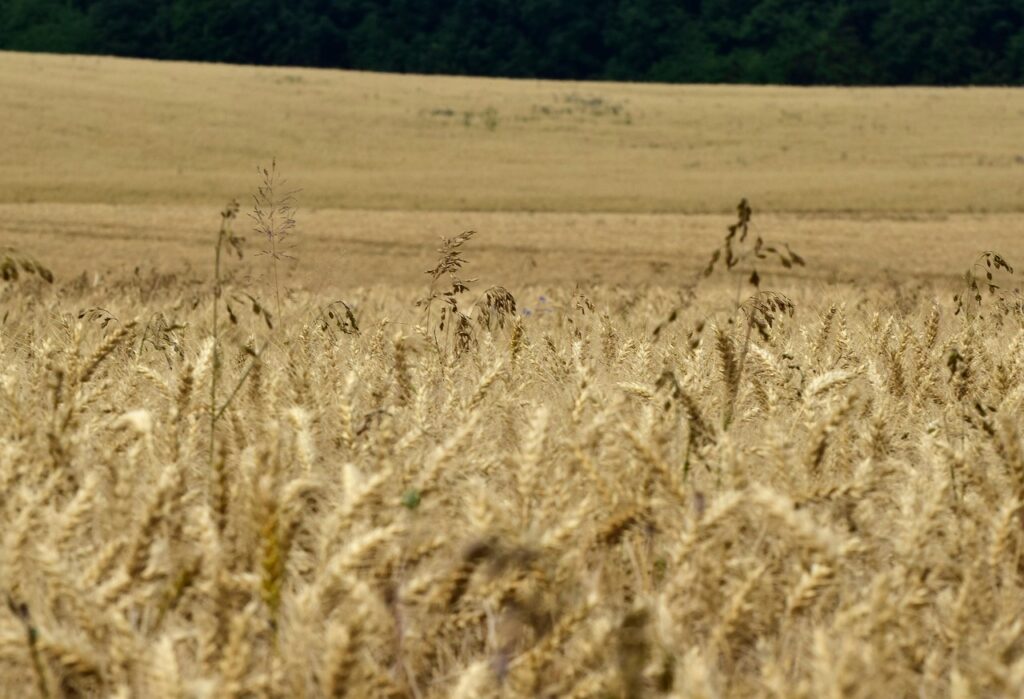
Investigadores de CONICET están mejorando genéticamente la cebada Andreia, una de las más cultivadas en Argentina, para aumentar el contenido de almidón degradable y así mejorar la eficiencia de malteado y elaboración de cerveza, mediante la incorporación de un gen de la alga Ostreococcus tauri. Esta innovación también podría mejorar el valor de la cebada como alimento de alta calidad para animales.
New Study Reveals How Roots Sense Gravity
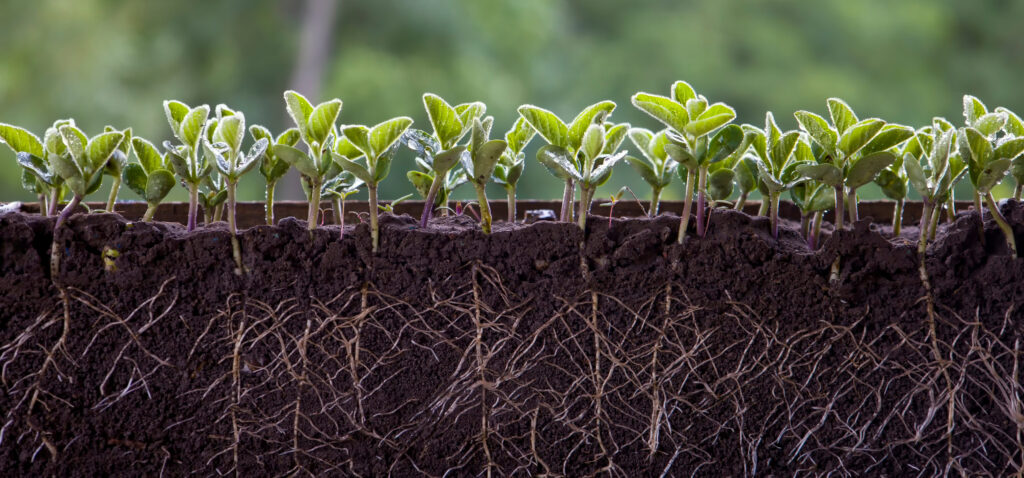
Scientists reveal how auxin guides root gravitropism by strengthening cell walls, helping roots bend downward and adapt to soil obstacles.
New Genetic Breakthrough Could Improve Barley for Brewing and Feed
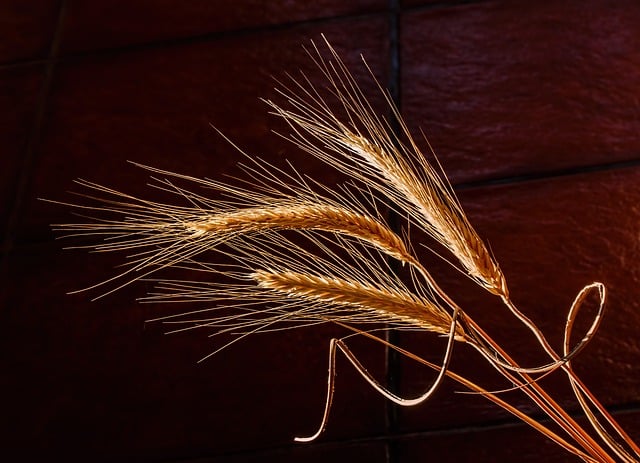
CONICET researchers are genetically improving Argentina’s popular Andreia barley to boost degradable starch for better malting and brewing efficiency, using a gene from seaweed Ostreococcus tauri. This innovation may also enhance barley’s value as high-quality animal fodder.”
Wheat: Extreme Dwarfism Impairs Gluten Composition and Baking Quality
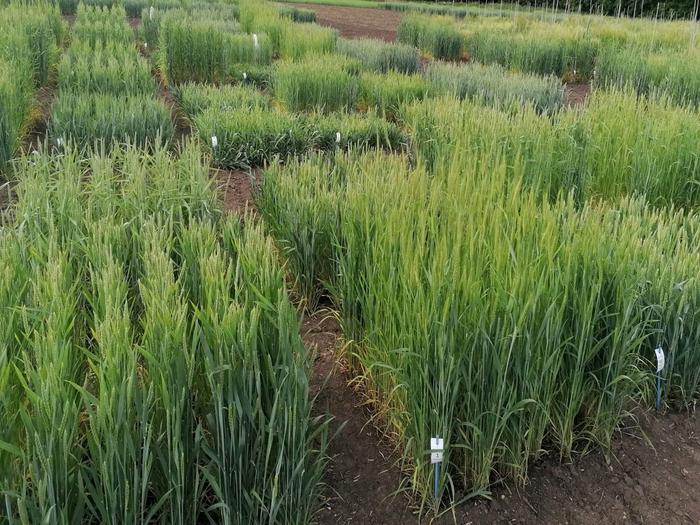
A new study shows that while semi-dwarfing genes introduced during the Green Revolution had little effect on gluten, extreme dwarf wheat varieties have poorer baking quality due to reduced glutenins and an unfavorable gliadin-to-glutenin balance. Researchers at the Leibniz Institute found that genetics and climate conditions both shape wheat gluten composition, raising concerns for future breeding as climate change intensifies.
10 Years of Growth and Innovation: How AGTIV® Is Powering Success
For a decade, AGTIV® has been at the forefront of agricultural innovation, helping farmers and seed treaters maximize their success through easy-to-use, results-driven solutions. As AGTIV® celebrates its 10th anniversary, the brand reflects on its journey of innovation and looks forward to shaping the next chapter in agriculture.
We’re Giving Every Seed the Power to do More
At Seed Treatment by BASF, we understand the challenges growers face as they tackle the biggest job on Earth — we are here to help them get ahead of the pressures that come from pests and diseases.
De «Ser Visible» a «Crecer en Estatus»

En la industria de semillas, la reputación es clave para crecer en estatus. Más que visibilidad, el marketing de contenidos construye confianza, credibilidad y liderazgo. Seed World LATAM ayuda a empresas a posicionarse como referentes, conectar con agricultores y transformar reconocimiento en resultados reales.
Ideas. Personas. Semillas

Durante más de un siglo, Seed World ha sido la voz de la industria de las semillas, reuniendo a personas, ideas e innovación más allá de las fronteras. Lo que comenzó en los Estados Unidos en 1915 se ha convertido en una plataforma verdaderamente global, con ediciones regionales en los Estados Unidos, Canadá, Europa y América Latina.
¡Bienvenidos a Brasil!

Con gran entusiasmo, DAMOS LA BIENVENIDA a los participantes del Congreso de Semillas de las Américas a laespectacular Foz do Iguaçu, Brasil, hogar de una de las maravillas naturales más espectaculares del mundo y ahora lugar de reunión de las mentes más brillantes y los líderes más audaces del sector de las semillas.
De Norte a Sur: Bienvenidos a la Historia que Escribiremos Juntos

Seed World Group celebra el Congreso de Semillas en Brasil, organizado por la SAA y ABRASEM, uniendo a líderes de América Latina, EE. UU. y Canadá. Con Seed World LATAM, US y Canada, el evento impulsa innovación, colaboración y una voz fuerte para la industria de semillas.
EN FOTOS: Su visión interna del Congreso de Semillas de las Américas
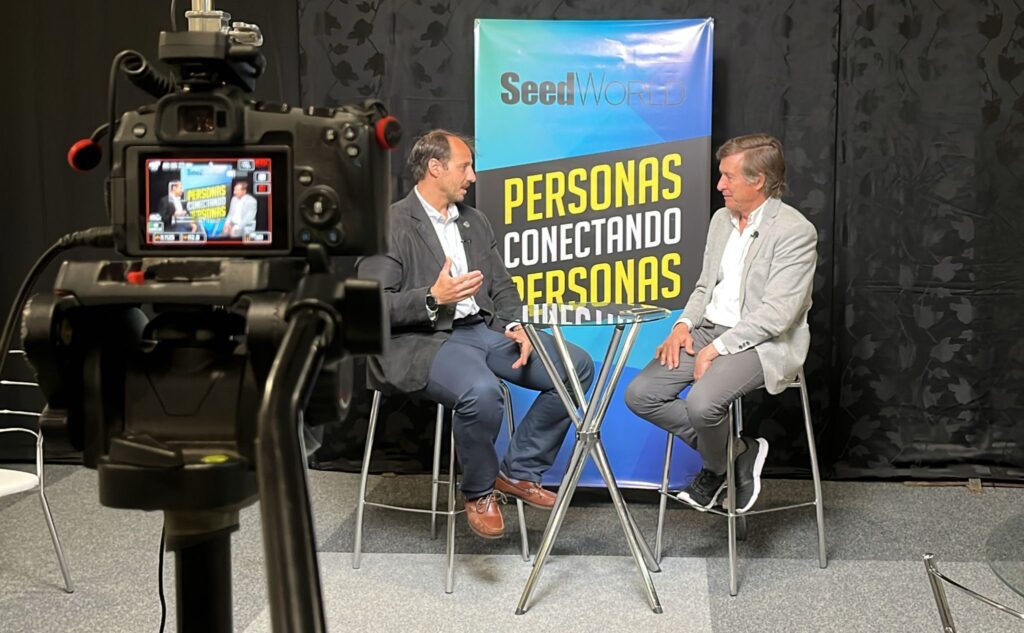
El Congreso de Semillas de las Américas ha llegado oficialmente a la espectacular Foz do Iguaçu, Brasil, reuniendo a fitomejoradores, responsables políticos, investigadores y líderes de la industria de todo el hemisferio. ¿No puede estar en Brasil? Nosotros nos encargamos.
IN PHOTOS: 10th Seed Congress of the Americas
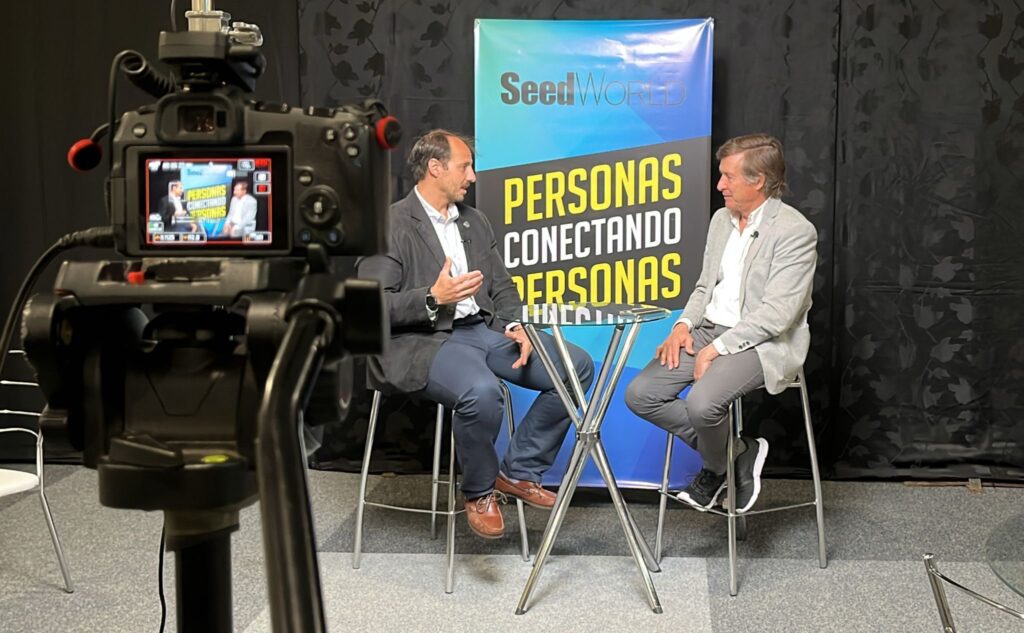
We are covering the 10th Seed Congress of the Americas. Check out these photos and feel the excitement of this event.
Behind Every Great Organization is Someone You’re Not Thanking Enough

True leadership is measured not only by results, but by who you lift up along the way. I’ve always believed that leadership isn’t just about vision or strategy — it’s […]
Ancient Lentils Still Thrive in the Canary Islands

Canary Islands lentils date back 2,000 years. Ancient crops adapted to heat and drought may aid future farming in a changing climate.
Canada’s Protein Revolution Just Got a Boost — and it’s All Homegrown
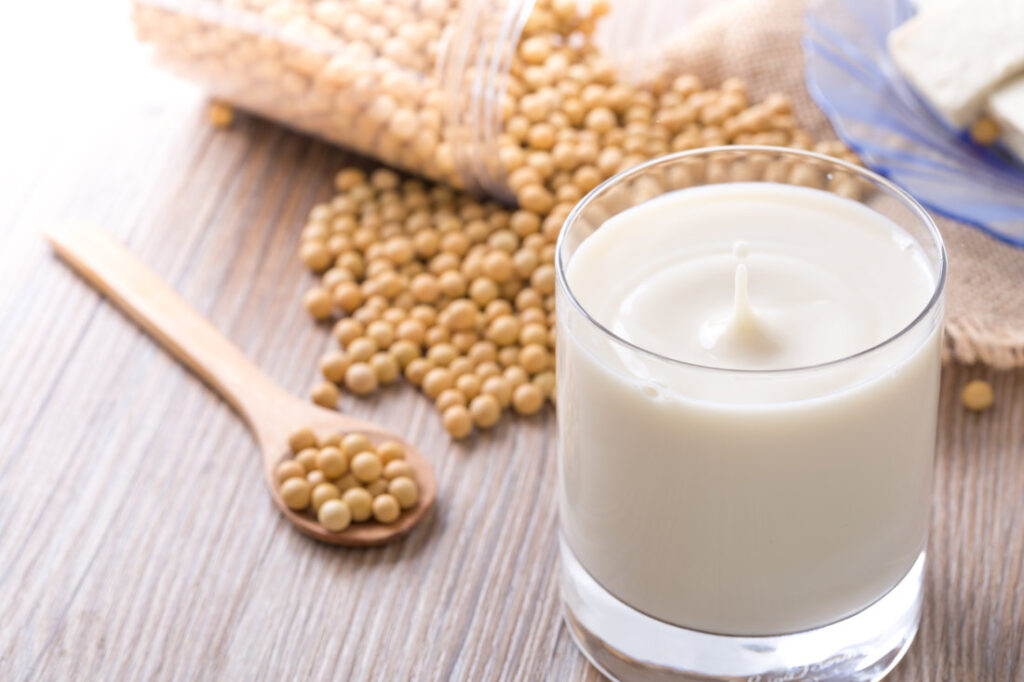
In a country known for exporting raw ingredients, five new projects are flipping the script — keeping more value, innovation, and protein right here at home. Last week, Protein Industries […]
The Quiet Disruptor Behind Canada’s Protein Future
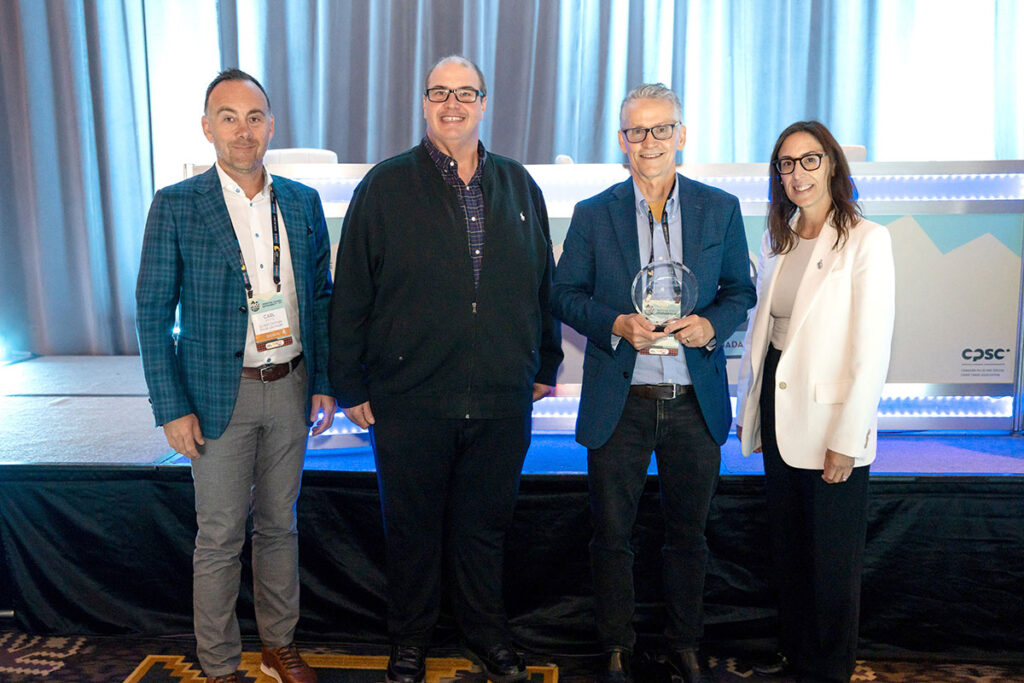
Every year, Canada’s pulse and special crops industry singles out one person who’s changing the game. This year, that person is Dr. Tom Warkentin — a University of Saskatchewan researcher […]
Ukraine’s Fields Have Something to Teach About the Global Soil Crisis

What’s happening beneath Ukraine’s farmland isn’t just their issue — it’s a warning for us all, says Kevin Elmy of Cover Crops Canada
One Field Day. Five Decades. A Global Turfgrass Revolution.

Pure Seed, a family-run seed company in Oregon, has shaped turf and forage on six continents for more than 50 years. From FIFA World Cup pitches to innovations that help grass thrive in tough environments, discover how this quiet leader is redefining turfgrass worldwide.
Modelo Predice la Productividad Agrícola con Imágenes Satelitales

Embrapa utiliza imágenes satelitales y aprendizaje automático para predecir con alta precisión los rendimientos de caña de azúcar y soja, validando el bioestimulante Hydratus para mejorar el crecimiento y la tolerancia a la sequía.
Model Predicts Agricultural Productivity With Use of Satellite Images

Embrapa uses satellite imagery and machine learning to forecast sugarcane and soybean yields, achieving high accuracy and validating the Hydratus biostimulant for improved growth and drought tolerance.
When Red Tape Chokes Green Progress

Europe’s slow approval process for crop protection products — often 8–12 years — delays sustainable innovation and limits farmers’ tools. This slows adoption of greener practices, reduces resilience, and raises costs. Streamlined, faster approvals are essential to meet climate goals and support modern farming.
Seeds Don’t Wait for Politics

A looming government shutdown threatens to disrupt the U.S. seed industry — delaying permits, halting research, and silencing critical USDA data. Agriculture doesn’t stop for politics — and seeds can’t wait.
Want More Innovation? Pay the People Who Create It
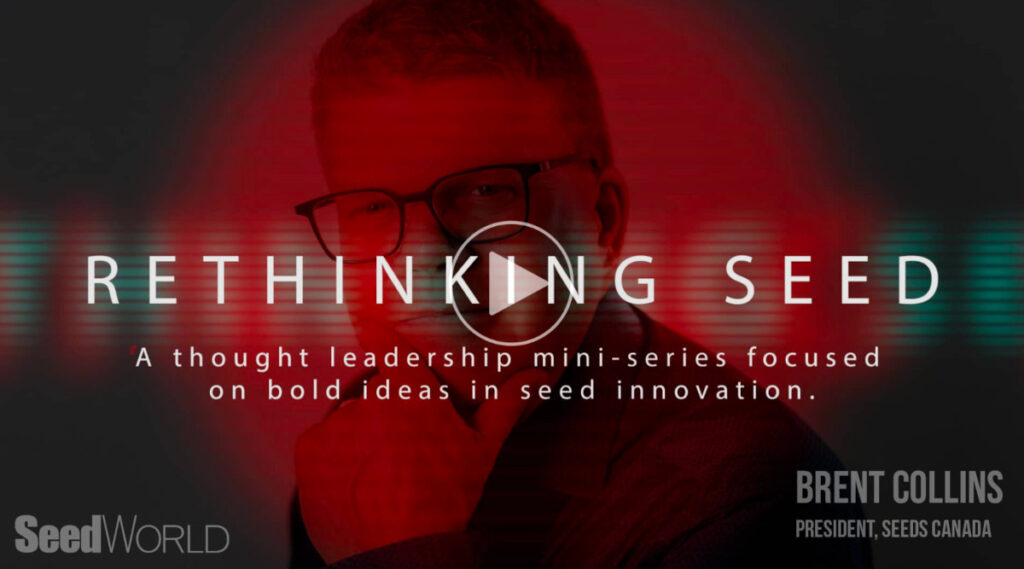
If we need more progress on farms, start by valuing the people creating the genetics, Brent Collins explains in this Seed World 360 exclusive
Claves para Reducir la Brecha de Maíz

Los rendimientos de maíz en Entre Ríos están por debajo del potencial, con una producción actual de 6 t/ha frente a un potencial de 12 t/ha. El estudio participativo de INTA Paraná señala la fertilidad del suelo, los costos de producción y la infraestructura como limitantes clave, y recomienda agricultura de precisión, manejo de nutrientes y colaboración entre industria y productores para cerrar la brecha y fomentar una producción regional sostenible.
Keys to Reduce the Corn Gap
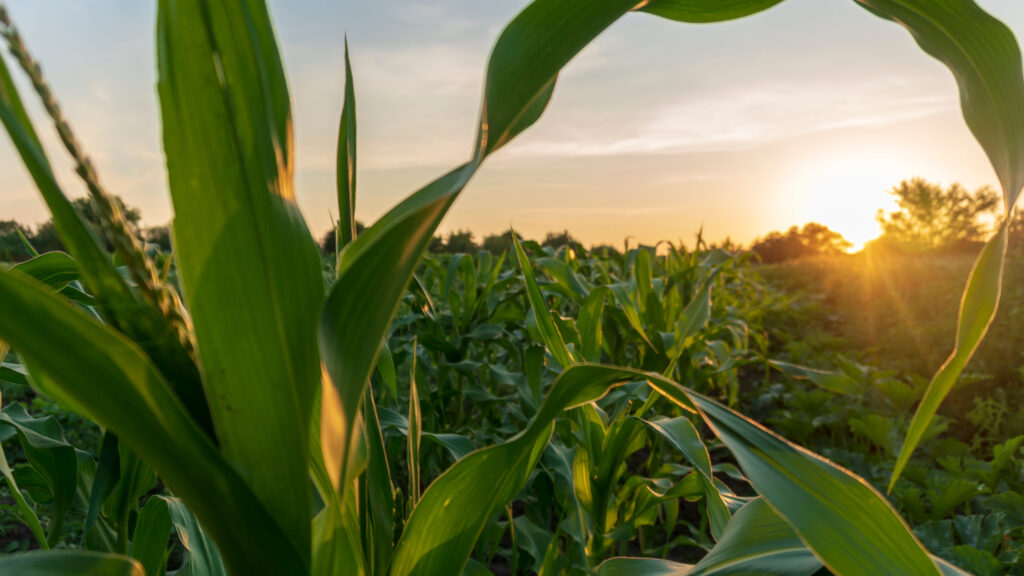
Corn yields in Entre Ríos lag behind potential, with current production at 6 t/ha versus a 12 t/ha potential. INTA Paraná’s participatory study highlights soil fertility, production costs, and infrastructure as key limits and recommends precision agriculture, nutrient management, and industry-producer collaboration to close the yield gap and boost sustainable regional production.
Consistent Policy, Not “Patchwork” Regulations, Recommended for the Coexistence of Crops
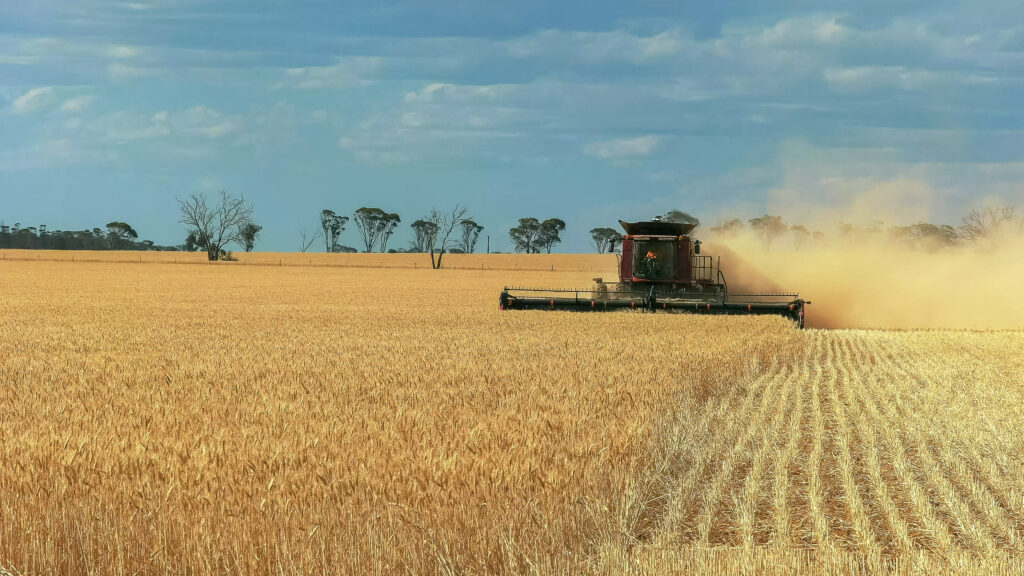
Australian farmers face inconsistent rules on GM, organic, and conventional crops. A new study urges clearer coexistence standards across sectors.
Why Red Tape is the Biggest Roadblock for Plant Breeding in the Americas
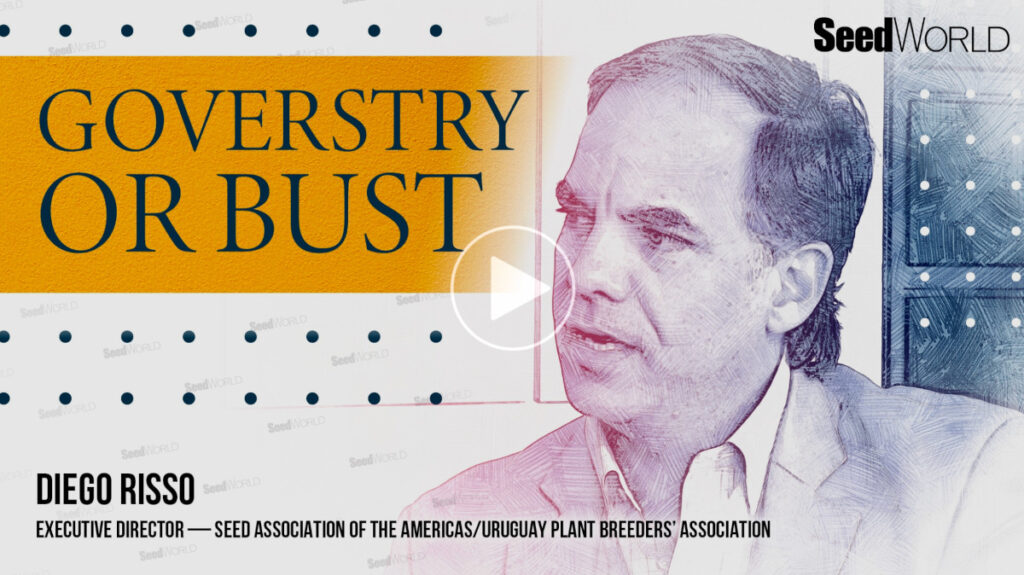
Only government and industry together can write the next chapter of seed rules, Diego Risso says in this Seed World 360 interview
The ISTA AGM is Coming to Canada – Here is Why Industry Leaders Are Excited

As a company deeply invested in the future of seed science and trade, SGS has long been a committed participant in the International Seed Testing Association (ISTA). Our involvement spans […]
Stop Penalizing Breeders for Their Own Success
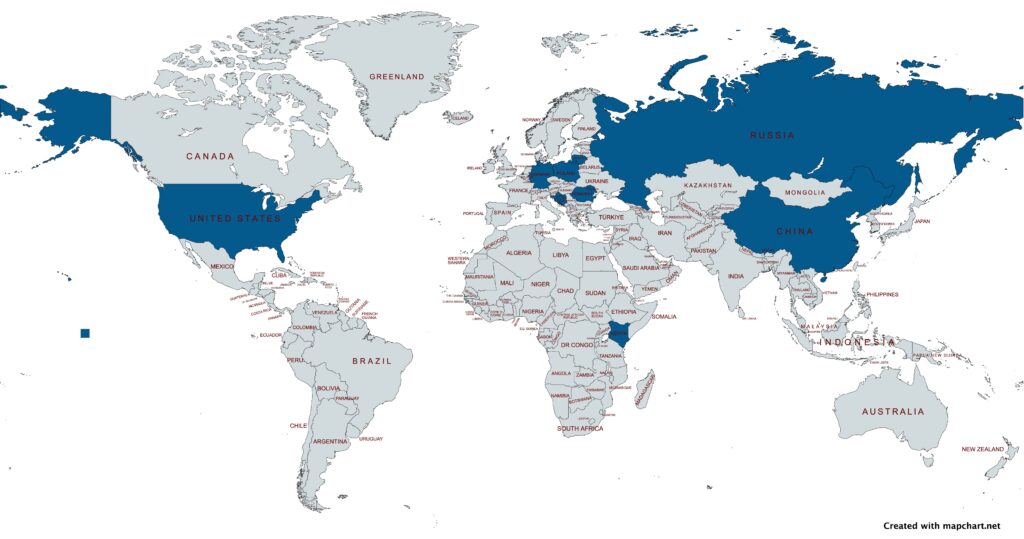
In a number of UPOV member countries, outdated interpretations of the novelty requirement mean that commercializing a hybrid variety may invalidate novelty for its parent lines — even if those lines were never sold. This misinterpretation undermines breeders’ rights, discourages innovation, and is out of step with global practice. It’s time for legal clarity and alignment.
UK Vertical Farms Boost Yields but Raise Carbon Footprint
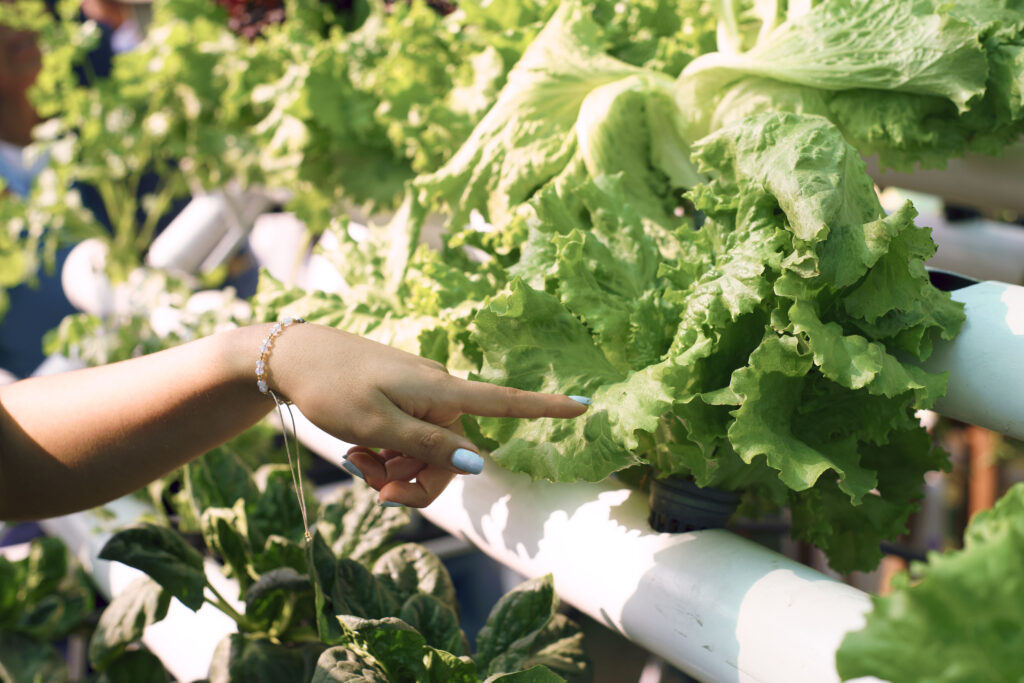
Vertical farming can greatly boost lettuce yields and cut water use but currently has a higher carbon footprint than field-grown UK lettuce. Energy demands and materials like jute plugs drive much of its emissions, though alternatives could reduce impact. Researchers say innovations in efficiency and materials are key to making vertical farming a sustainable year-round solution.
CBRC Commits $1.8 Million to CDC Barley Breeding Activities

The Canadian Barley Research Coalition (CBRC) announced today it will provide $1.8 million in funding over three years to the University of Saskatchewan’s Crop Development Centre (CDC), to extend the […]
Plant Breeders Exist — But Does Canada Even Care?
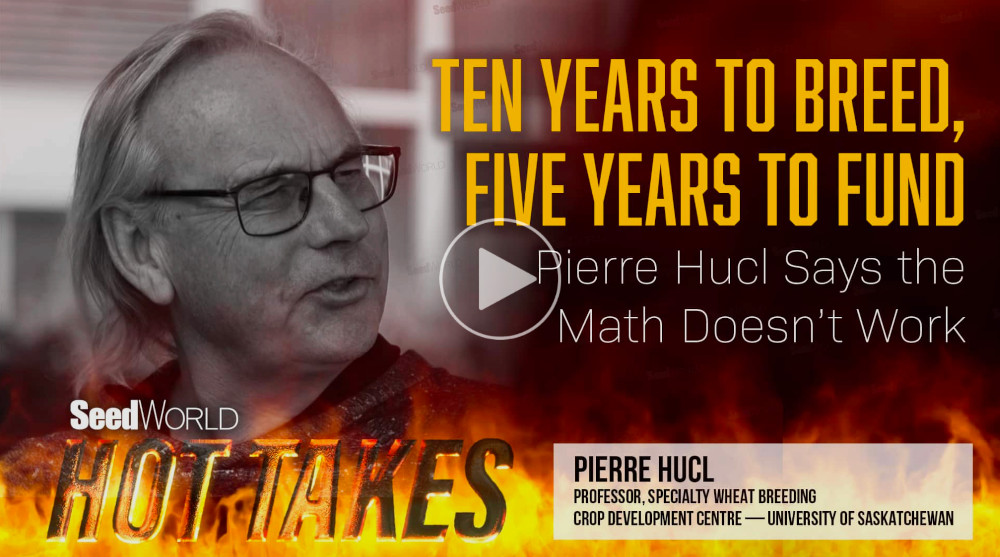
A Canadian breeder who saw Soviet agriculture collapse says we’re making the same mistake
La Deficiencia de Zinc Podría Limitar el Rendimiento de Trigo y Cebada, Advierten Expertos
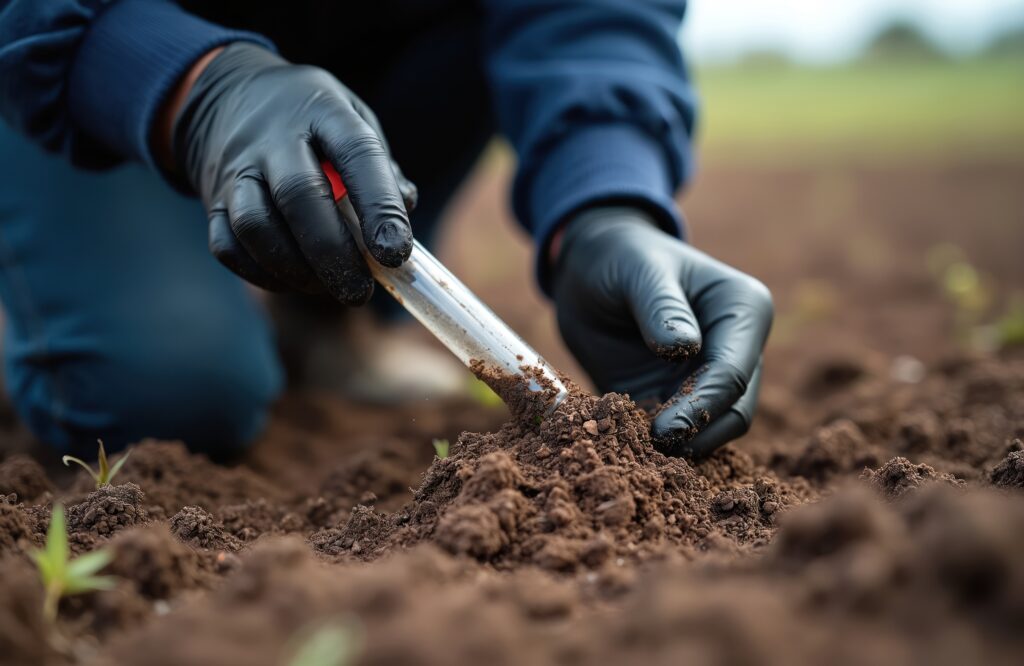
La deficiencia de zinc amenaza los rendimientos de trigo y cebada en la Pampa argentina. Los especialistas recomiendan análisis de suelo y fertilización dirigida con zinc para aumentar la productividad, mejorar la eficiencia de nutrientes y fortalecer la fertilidad del suelo a largo plazo.
Zinc Deficiency Could Limit Wheat and Barley Yields, Experts Warn

Zinc deficiency threatens wheat and barley yields in Argentina’s Pampas. Experts recommend soil testing and targeted zinc fertilization to boost crop productivity, improve nutrient efficiency, and enhance long-term soil fertility.
Climate, Crisis, and Crops: Why Gene and Seed Banks are More Essential Than Ever

Deep in the Arctic, the Svalbard Global Seed Vault safeguards over a million seeds, symbolizing global efforts to preserve plant biodiversity. Plant researcher Fiona Hay has dedicated her career to improving seed storage, longevity, and accessibility across international seed and gene banks. These banks are critical for food security, breeding innovation, and climate resilience, especially as crop diversity declines worldwide. New technologies and optimized storage methods, combined with trained conservationists, are helping ensure seeds remain viable for future generations.
Plants Just Flipped the Light Script
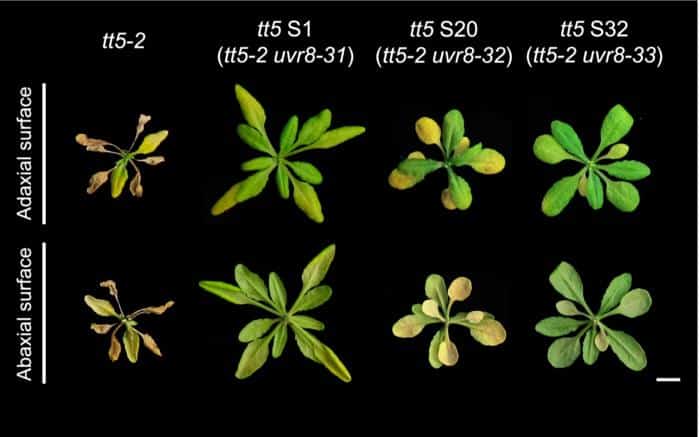
Researchers uncovered a new way plants regulate growth by reprogramming light-sensing proteins, a breakthrough that could help seed companies develop crops with greater resilience and efficiency.