

Denmark’s EU Council Presidency Puts PRM and NGT in the Spotlight

On July 1, 2025, Denmark began its EU Council presidency, focusing on defence, trade, climate, and key seed-sector files like Plant Reproductive Material and New Genomic Techniques regulations.
The Next Green Revolution: AI and Biotech Leading Advances in Crop Resilience
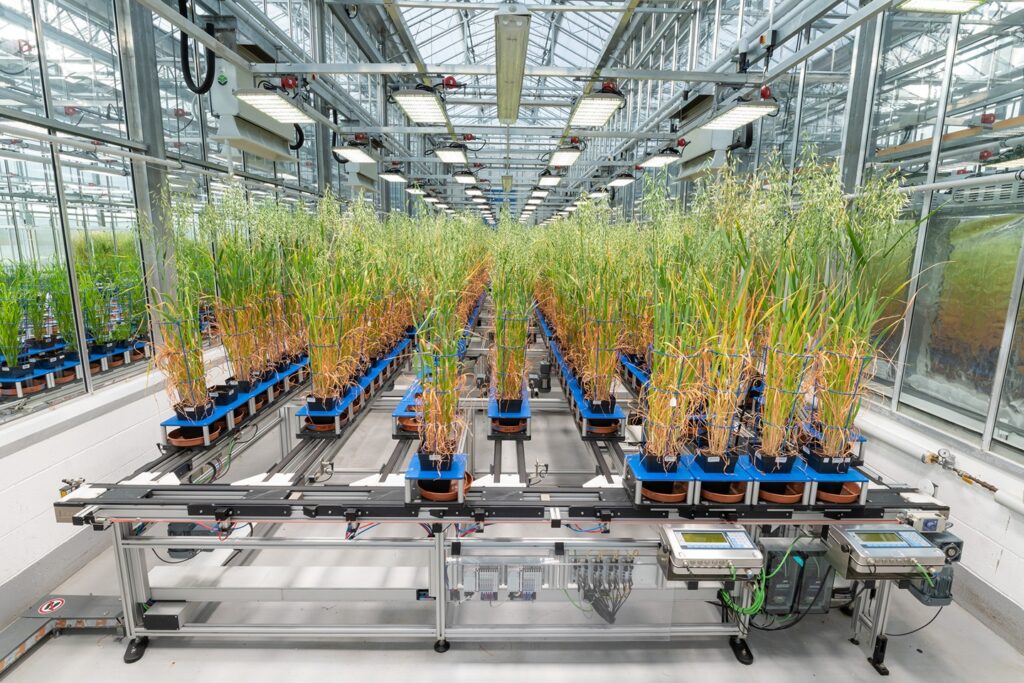
A Nature review outlines how AI and biotechnology—including genome editing, protein design, and high-throughput phenotyping—can transform global crop production and strengthen food systems against climate change and pests.
CSGA’s Governance Glow-up Just Earned it a National Nod

The Canadian Seed Growers’ Association has landed a spot on a country-wide governance awards shortlist.
Rock Dust Could Help Fight Climate Change and Boost Crop Yields
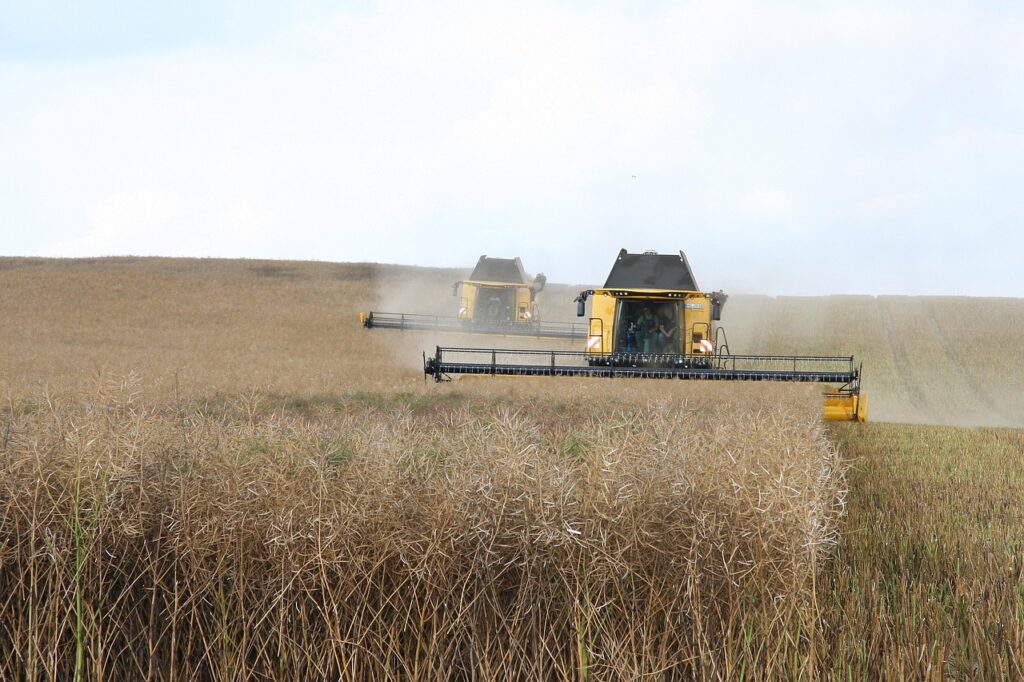
A new Anglo-French study suggests that spreading crushed volcanic rock on farmland could help remove carbon dioxide from the atmosphere — and potentially boost crop yields. However, its effectiveness depends heavily on local soil conditions.
Researchers from Rothamsted Research (UK), INRAE (France), and the UK’s National Oceanography Centre tested basalt rock dust — a quarrying by-product — on two soil types: sandy and silty clay. In pot trials, they applied the dust at two rates (equivalent to 80 and 160 tonnes per hectare) and monitored changes in soil chemistry and ryegrass growth.
The method, known as enhanced weathering, accelerates the natural breakdown of silicate rocks, a process that draws CO₂ from the air and locks it into the soil. Supporters see it as a promising climate solution with co-benefits for soil health,
Don’t Let the Yield Monitor Fool You: What Mid-Season Is Really Telling You

Two corn fields showed stark differences in growth and stress, yet harvest yields were nearly identical—highlighting that visible performance doesn’t always predict final results.
AI Already has an Opinion About You. Is it Positive?

Before rejoining the family seed business in 2003, I worked in PR, researching clients online. Today, AI tools like ChatGPT are replacing traditional search engines, with Google seeing its first monthly query decline on Safari.
Tools for Smarter Breeding – Making Genomic Selection Practical
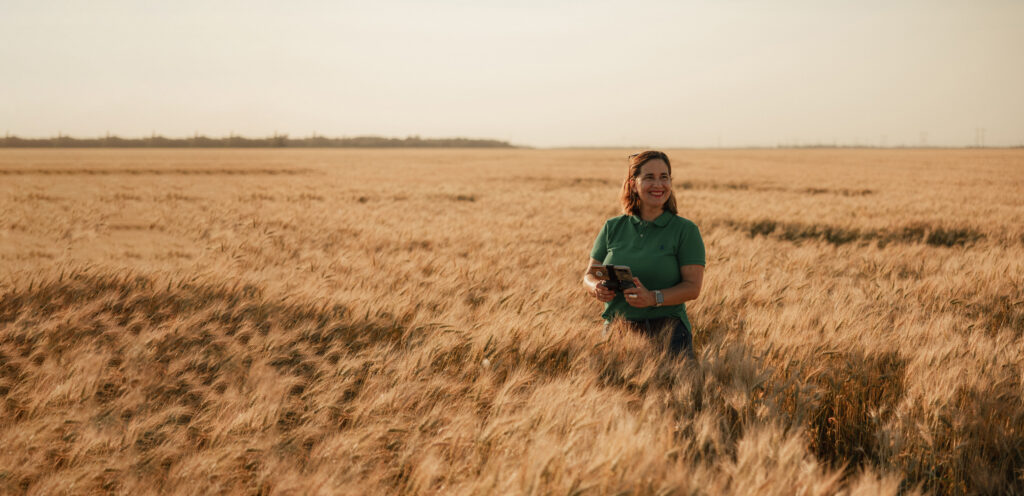
Genomic Selection boosts breeding with faster gains and smarter decisions. Learn how real-world programs tackle challenges like data integration and model selection in our upcoming webinar.
40% of Western Canada’s Durum Comes From Him. Now He’s an Agronomy Hall-of-Famer
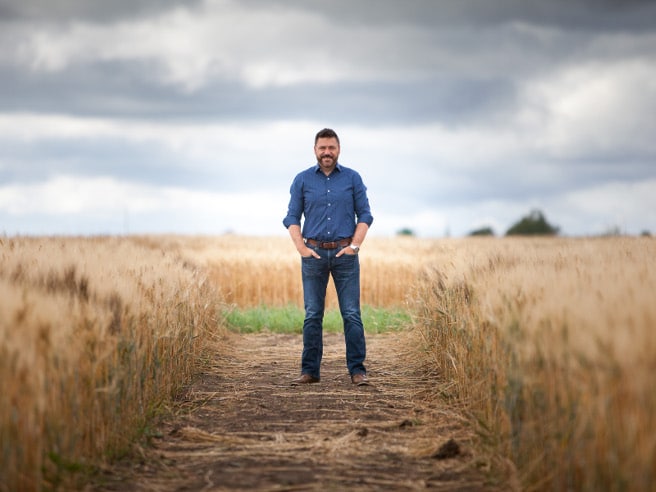
Curtis Pozniak earned agronomy’s highest honour for transforming wheat breeding and reshaping the future of Canadian agriculture.
Chile da luz Verde al Primer Trigo Genéticamente Editado en América
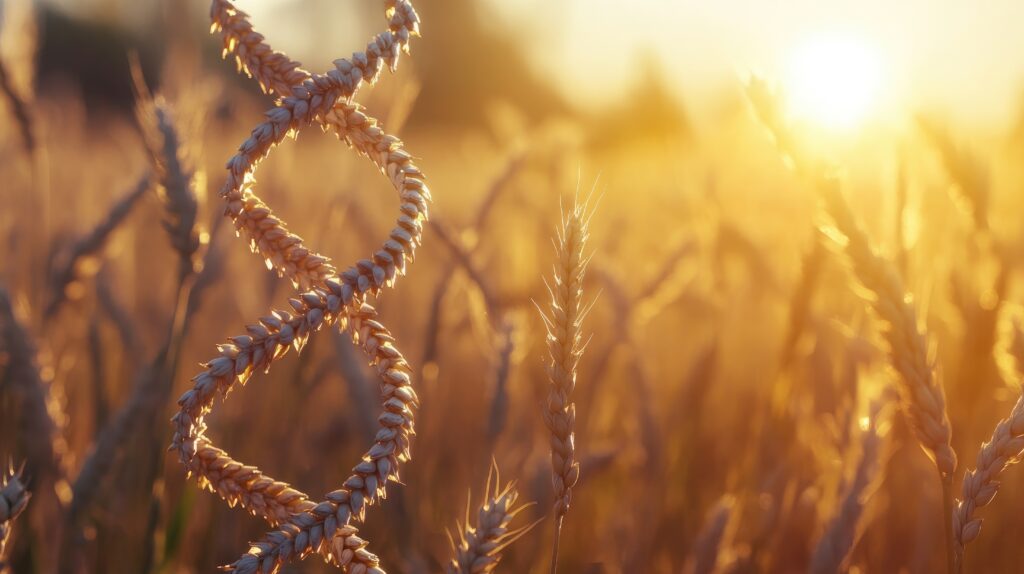
Neocrop Technologies y socios desarrollan trigo editado genéticamente con hasta 10 veces más fibra, manteniendo sabor y calidad de harina.
Chile Gives Green Light to the First Genetically Edited Wheat in the Americas
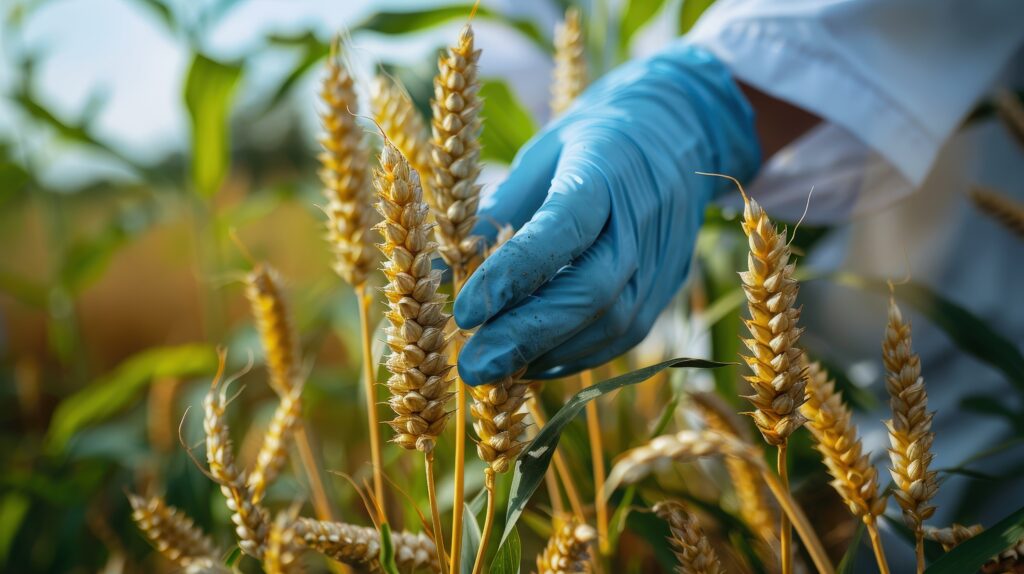
Neocrop Technologies, with Campex Baer and Buck Semillas, developed CRISPR-edited wheat with 5–10× more dietary fiber, officially cleared by Chile’s SAG as non-GMO, enabling field cultivation—the first approved gene-edited wheat in the Americas.
E-commerce, Opportunities and (Many) Risks for the Seed Sector

E-commerce—buying and selling products online via websites, apps, or marketplaces—has grown rapidly since 2000, offering opportunities but also risks for sectors like the seed industry, with transactions spanning B2B, B2C, and peer-to-peer across countries.
Rita Mumm Is Cultivating the Next Generation of Food Security — One Plant Breeder at a Time

Rita Mumm doesn’t mince words: the world’s next great challenge is feeding a growing population with not just more food, but better food.
Orange Blossom Special: The Rust Stops Here
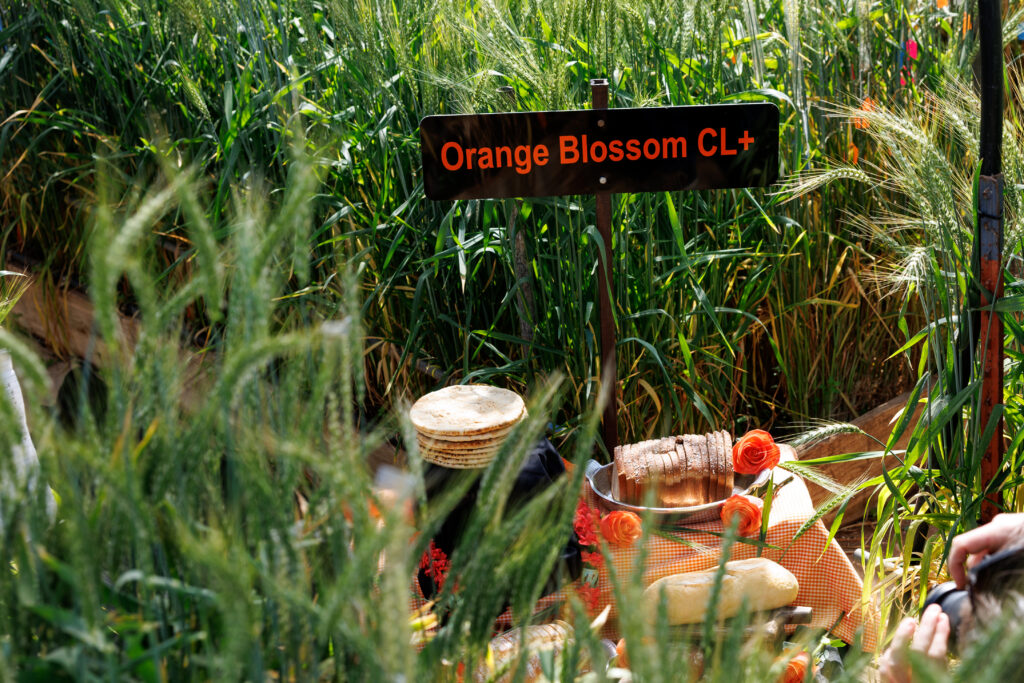
For a new wheat cultivar like Orange Blossom CL+, OFSS handles the initial seed increase, enabling limited quantities to be made available to certified seed growers ahead of full commercialization.
This early distribution accelerates the time from cross to commercial grain, in part by overlapping foundation seed production with later-stage field trials—a shift that has reduced commercialization
AOSCA’s New President Has a Track Record in Modernization

Doug Miller, a digital disruptor behind Canada’s seed certification overhaul, is now steering the Association of Official Seed Certifying Agencies.
A Launchpad for New Varieties
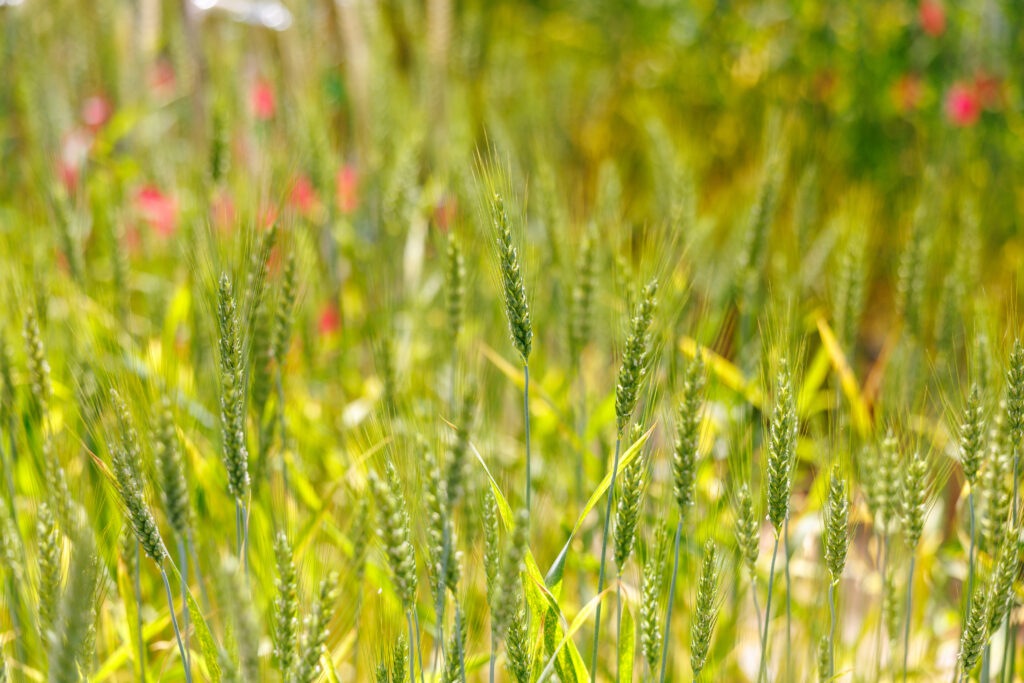
Oklahoma State University’s latest Clearfield wheat release, Orange Blossom CL+, enters the landscape with a familiar genetic base — and a few new traits aimed squarely at today’s rust-related risks. The release follows years of internal development and field trials. The variety features a familiar genetic backbone and brings a combination of higher yield, early stripe rust resistance, and test weight comparable to its predecessor, Doublestop CL Plus.
The #1 Rule to Drive Revenue Without Selling Yourself Short

In the seed industry, your core offer is sacred—it defines your business, expertise, and reputation. Protect it, don’t compromise, and never give it away, because your value depends on it.
The #1 Rule to Drive Revenue Without Selling Yourself Short

In the seed industry, your core offer is sacred—it defines your business, expertise, and reputation. Protect it, don’t compromise, and never give it away, because your value depends on it.
The #1 Rule to Drive Revenue Without Selling Yourself Short

In the seed industry, your core offer is sacred—it defines your business, expertise, and reputation. Protect it, don’t compromise, and never give it away, because your value depends on it.
New Research Analyzes How Ozone Pollution and COVID-19 Affect Crop Yields in China

Ozone (O₃) is a three-oxygen gas known for forming the stratospheric ozone layer that blocks harmful UV radiation, and it also exists in smaller amounts in the troposphere.
Chinese Researchers Develop Breakthrough Megabase-Scale Genome Editing Technologies
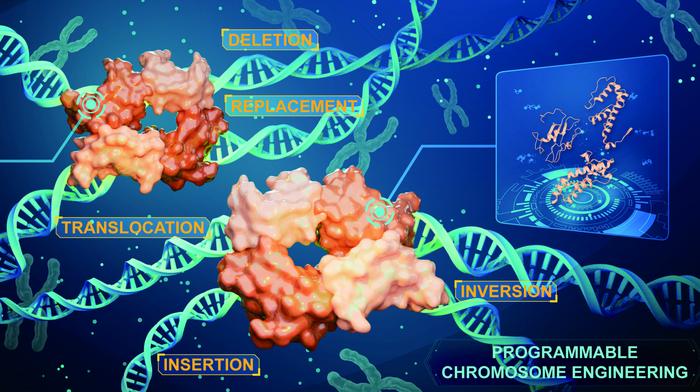
Prof. GAO Caixia’s team at the Chinese Academy of Sciences developed PCE and RePCE genome editing platforms, enabling precise DNA modifications from kilobase to megabase scales in plants and other eukaryotic cells.
30 Years of Safeguarding Innovation in a Changing World
Amid climate change and resource pressures, the EU breeding sector relies on the Community Plant Variety Office (CPVO) to drive innovation and develop resilient, high-performing plant varieties.
EU Commission Proposes €175B Budget for Research and Innovation (2028–2034)

The European Commission proposes doubling Horizon Europe’s budget to €175 billion (2028–2034) to boost research, innovation, and competitiveness, supporting technologies from AI in healthcare to satellite-based farming solutions.
Lessons from Expanding into South America

Expanding globally brings opportunities and challenges, from regulations to payment complexities. Agronomix has focused on South America, offering Spanish-optimized software and support to help plant breeding programs succeed, despite occasional payment uncertainties.
Biologicals Can’t Win Without Consistency — Here’s How Jord BioScience Is Solving It
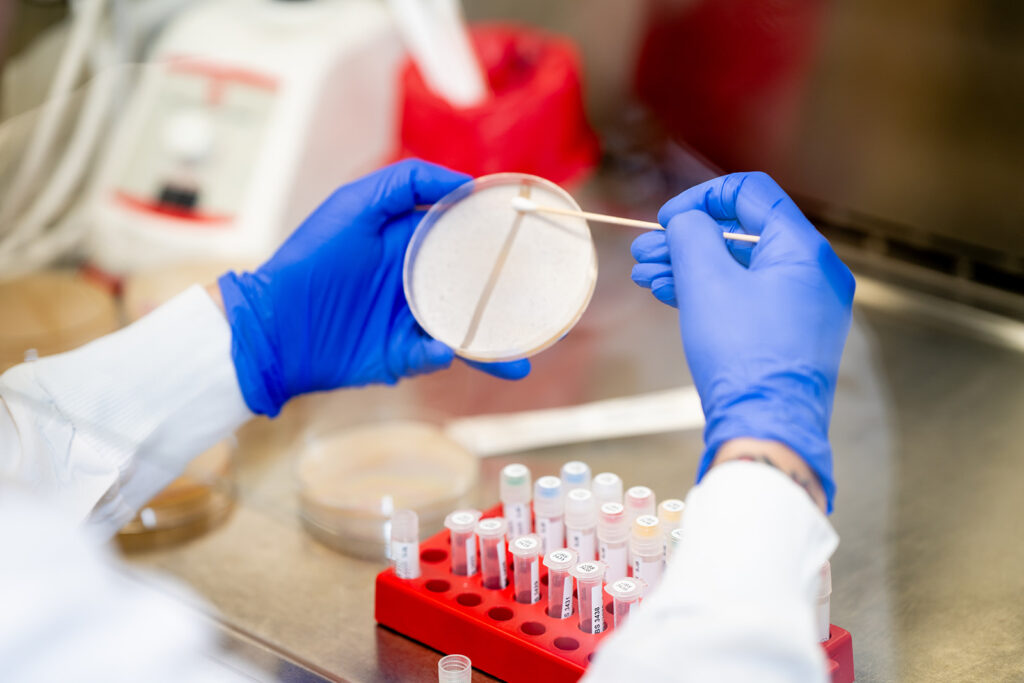
Consistency is key in agriculture. Farmers rely on solutions that perform reliably, and in the maturing biologicals sector, delivering consistent results across products, regions, and seasons is both a challenge and opportunity.
Is it Time to Reimagine Cover Crops?
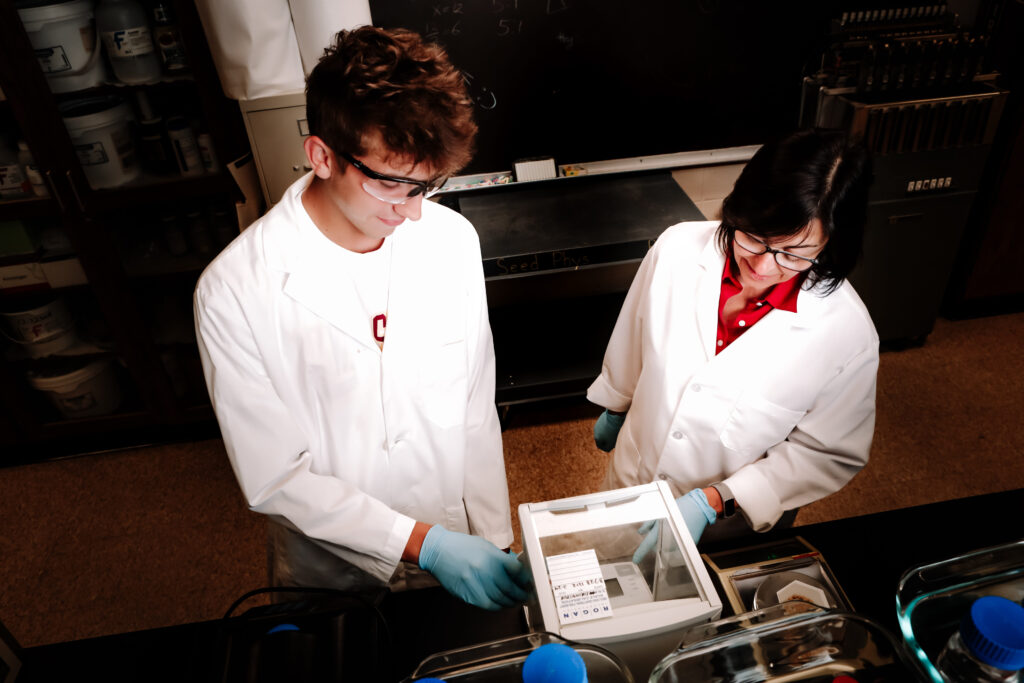
Cover crops are now a key solution for soil health, nutrient retention, and sustainability. Iowa State’s Seed Science Center is exploring perennial cover crops that stay in the field year-round, reducing disturbance and inputs while boosting farm resilience.
Why Weird Corn Matters
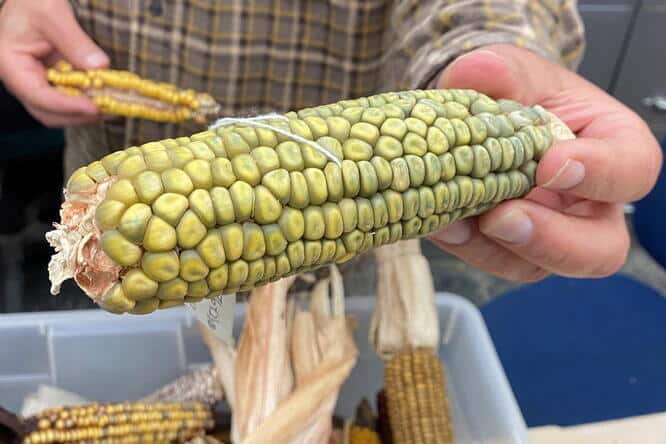
A proposed USDA consolidation threatens the Maize Genetics Cooperation Stock Center, home to 100,000 mutant corn lines critical to seed innovation. Researchers warn that relocating the collection from the University of Illinois could disrupt decades of progress in crop genetics.
Podcast Launches to Explore the People and Ideas Behind Global Agriculture

Iowa State University’s Seed Science Center has launched GermiNation, a podcast that explores the people, research, and innovations driving the global seed industry. The series features expert insights from scientists, students, and industry leaders shaping the future of agriculture.
A Life in Seeds: Päivi Mannerkorpi Reflects on Two Decades of EU Leadership
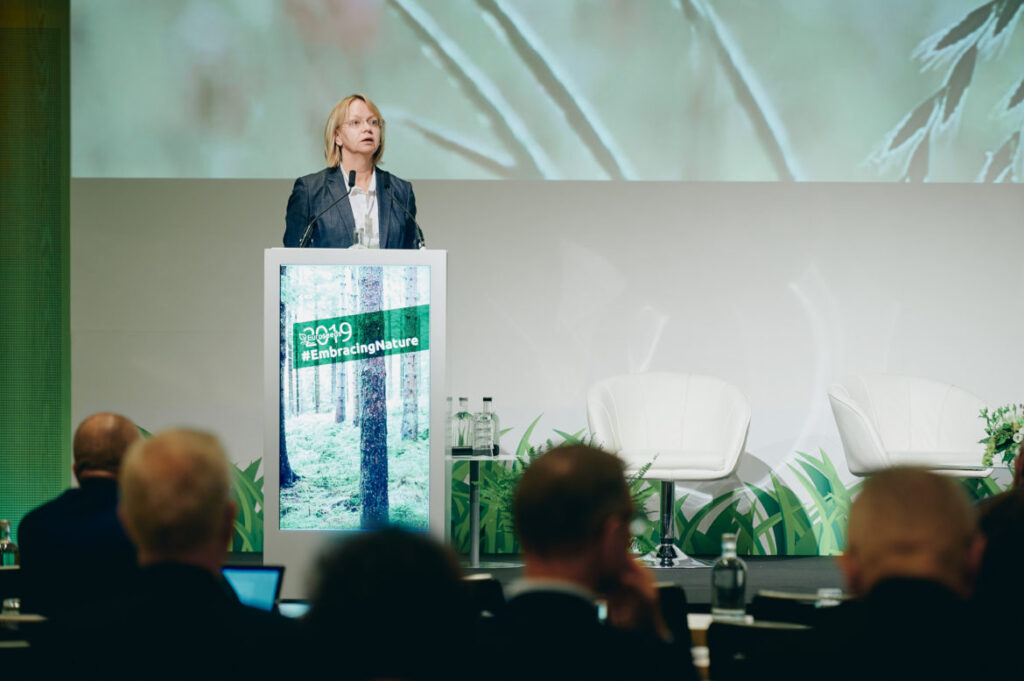
For over 20 years, Päivi Mannerkorpi shaped EU seed legislation and plant variety rights, strengthening agricultural quality and innovation; her retirement marks a reflection on Europe’s global regulatory impact amid climate and food security challenges.
Less Fieldwork, More Focus: Chris Davison Explains the Canola Council’s New Direction

One of the most striking changes is the winding down of its field-based agronomy team
Nueva Dirección de COPASEM Prioriza el Fortalecimiento de la Sanidad de las Semillas en Brasil
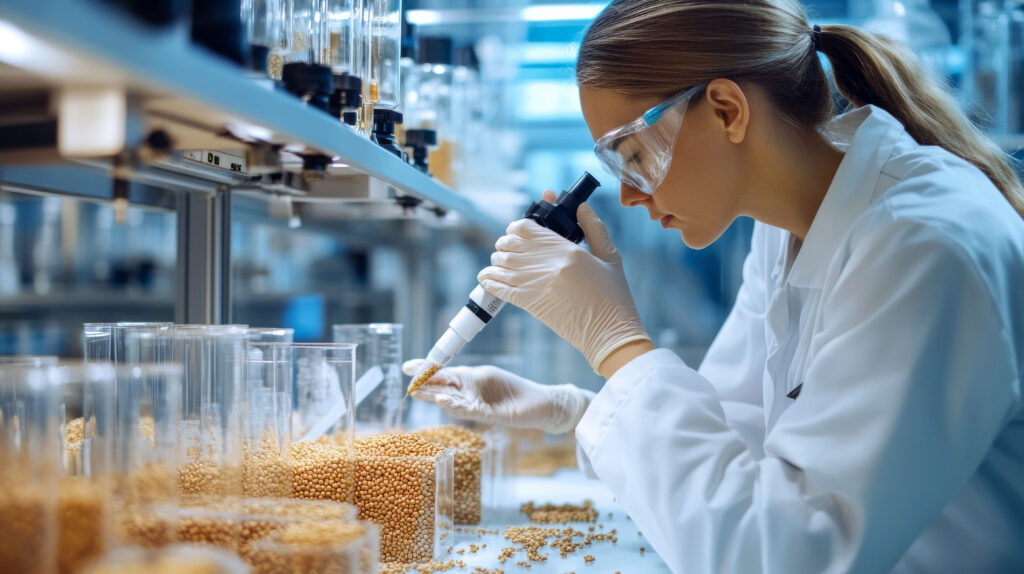
COPASEM inicia su mandato en Brasil enfocándose en mejorar la sanidad de las semillas mediante capacitación, estandarización e integración del sector.
New COPASEM Leadership Prioritizes Strengthening Seed Health in Brazil
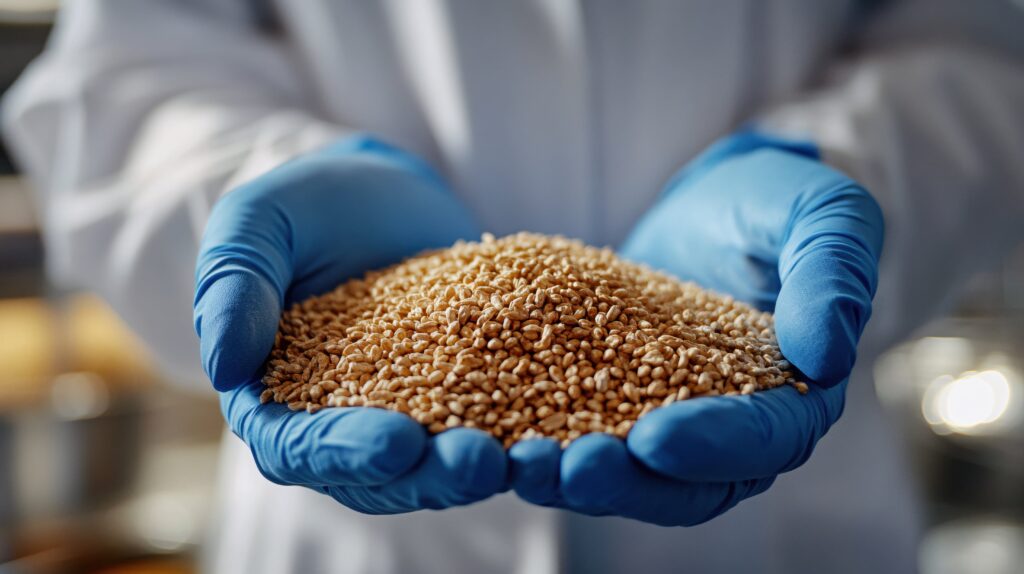
The Seed Pathology Committee (COPASEM) of ABRATES, led by Norimar D’Ávila Denardin and Carla Corrêa, aims to improve seed health in Brazil through training, standardized methods, and stronger sector integration.
Bridging Worlds: How Cross Industry Experience Fuels Innovation in Agriculture
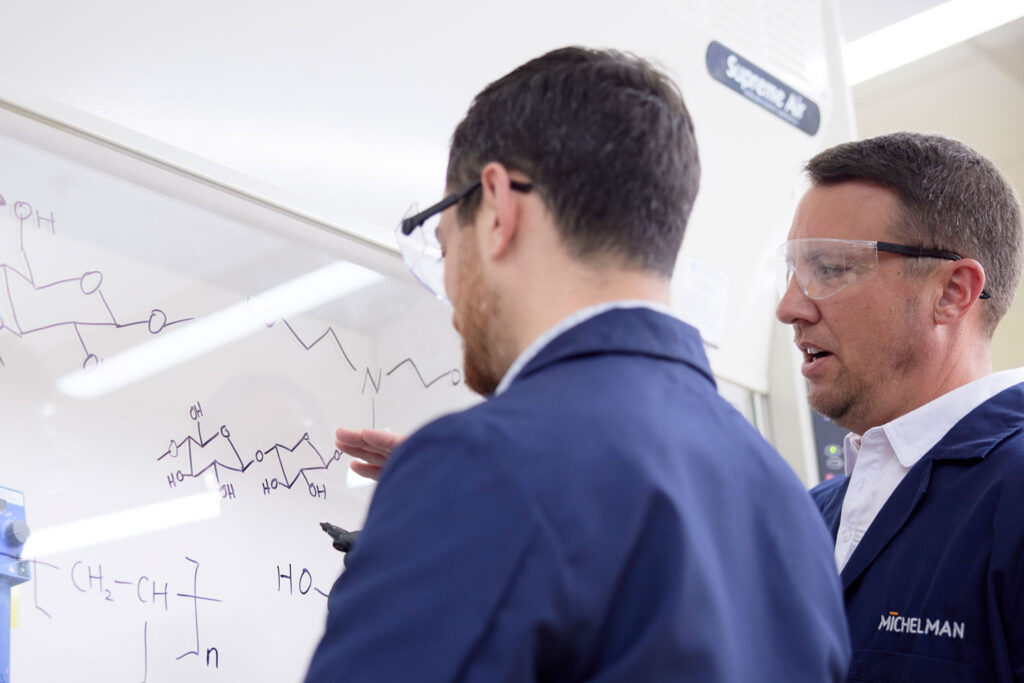
Michelman brings decades of coating expertise to agriculture, delivering sustainable, microplastic-free seed solutions built on trust and innovation.
The Built-In Chill Factor
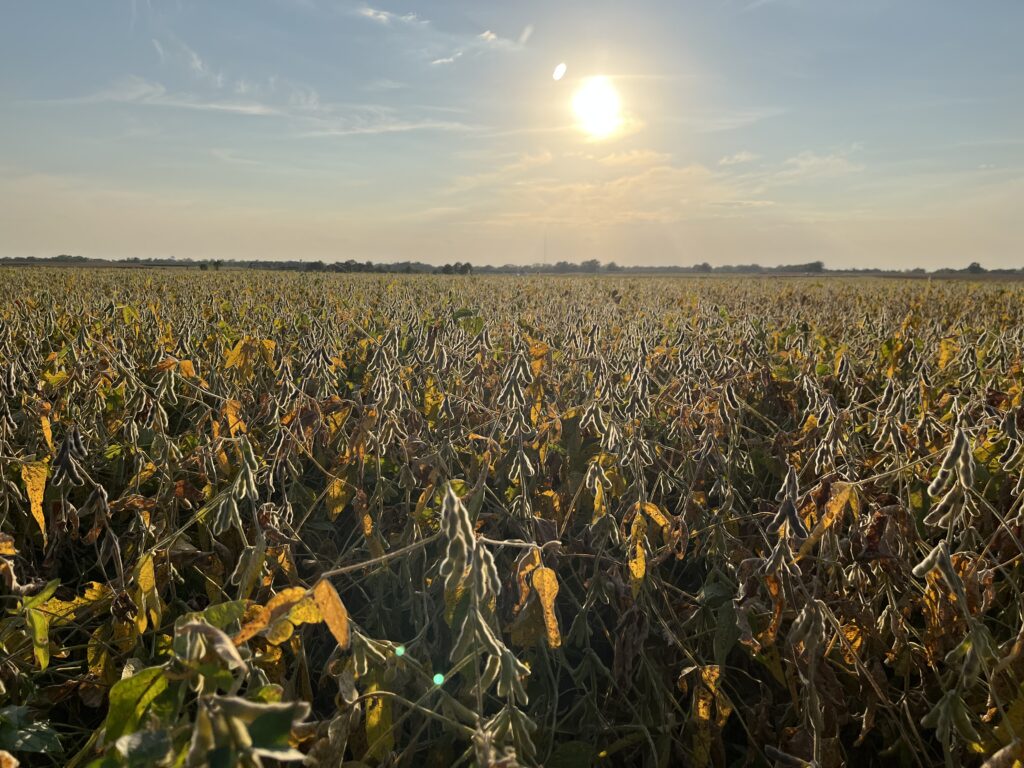
University of Missouri researchers have discovered that soybeans use a stress survival strategy called differential transpiration to protect flowers and pods during heat and drought. This physiological trait prioritizes cooling of reproductive tissues and could be enhanced through breeding or gene editing. As climate change intensifies, scientists and seed companies are exploring how to integrate this mechanism into elite soybean varieties to preserve yield under extreme weather.
Canola Council Drops Agronomy Team as it Pivots to Market Growth and Innovation
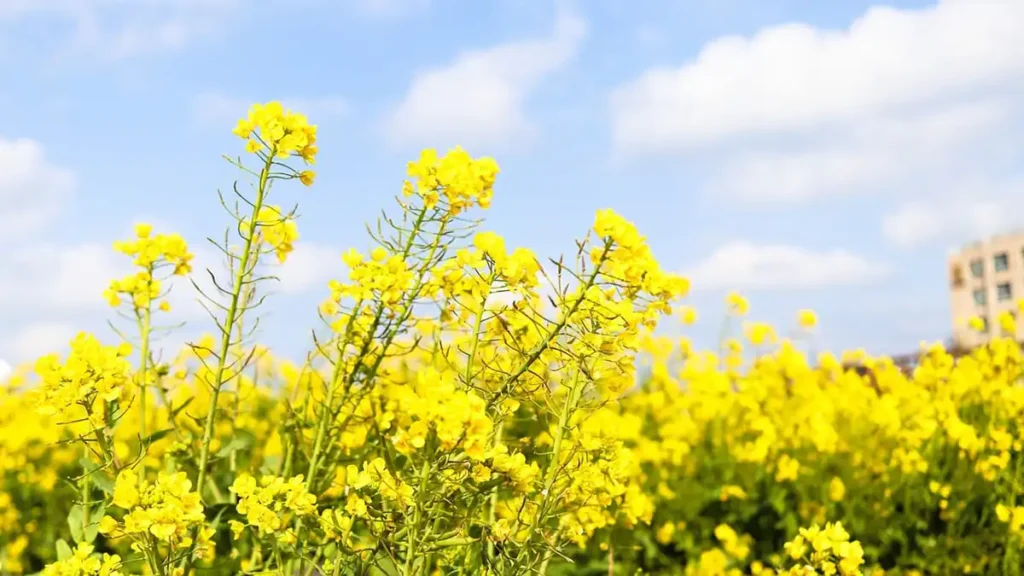
The Canola Council of Canada has unveiled its new strategic roadmap — and it comes with a notable shift
The Secret to Drought Survival? A Little-Known Plant Protein Steps In
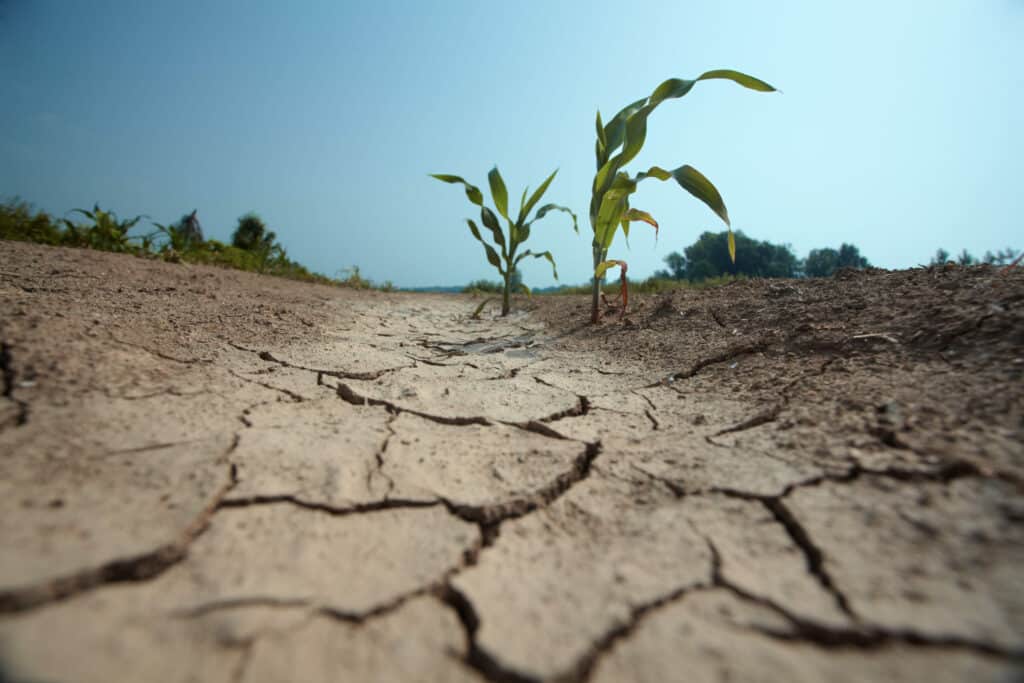
A Waseda University study reveals that the motor protein myosin XI plays a role in plant drought response, alongside the hormone abscisic acid (ABA), by helping regulate stomatal closure to conserve water.
Meet the Woman Who’s Turning Wheat’s Wild Side Into the Future of Farming
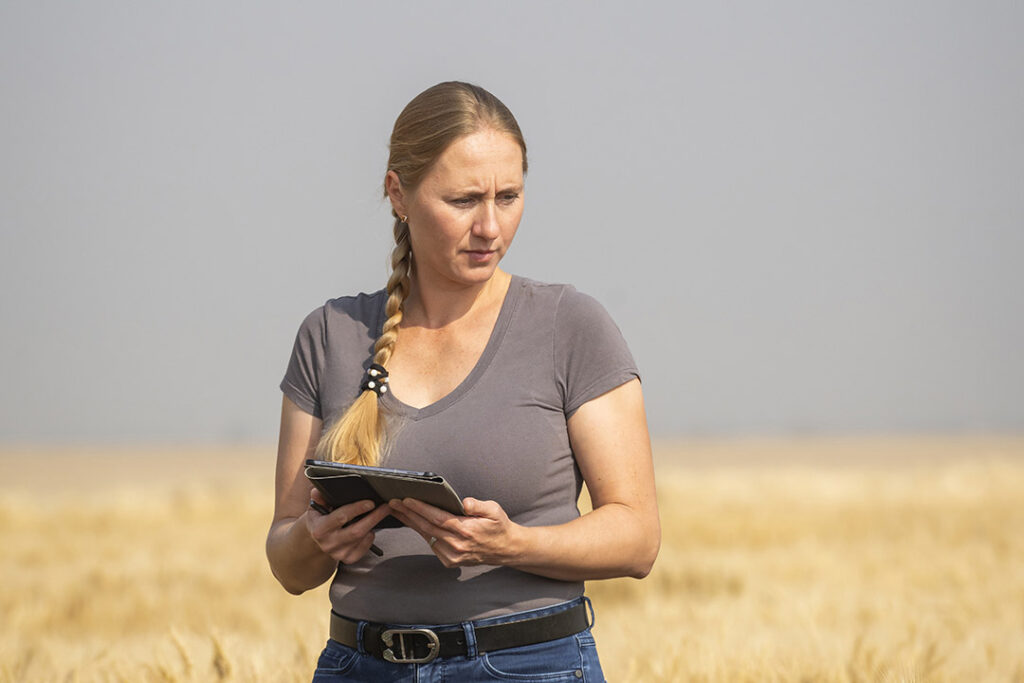
Valentyna Klymiuk steps into a new USask research chair role with a laser focus on climate-smart cereals.