

El uso eficiente del agua impulsa la productividad del trigo y reduce las emisiones
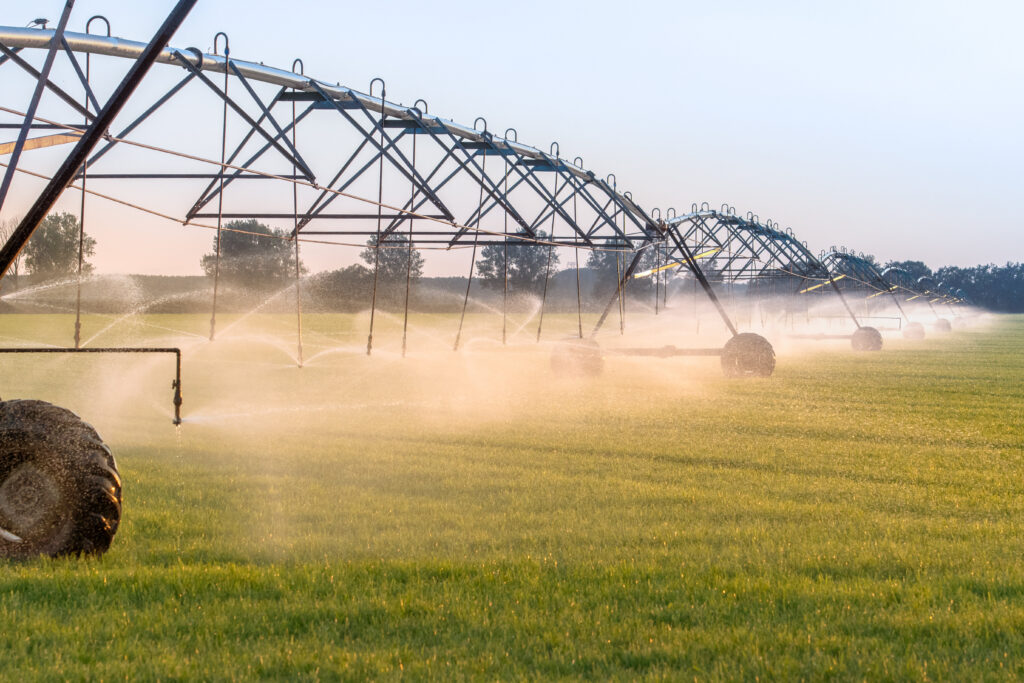
Un estudio de Embrapa Cerrados demuestra que una gestión precisa del riego en trigo puede reducir hasta un 50% las emisiones de gases de efecto invernadero sin afectar el rendimiento. Regar al 40% de agotamiento hídrico optimiza productividad, eficiencia del agua y sostenibilidad, ofreciendo una estrategia climáticamente inteligente para la agricultura tropical.
Editors Pick: EU Presidencies

Seed World Europe continues to follow each rotating EU Council Presidency to keep readers up to date on the shifting political priorities shaping plant breeding, seed legislation, and agricultural innovation. In our five most recent pieces—covering Spain (July–Dec. 2023), Belgium (Jan–June 2024), Hungary (July–Dec. 2024), Poland (Jan–June 2025), and Denmark (July–Dec. 2025)—we track how key files like PRM reform, NGTs, food security, and sustainability move through Brussels, and what each Presidency means for Europe’s seed sector.
A $1.5M Boost for Africa’s Soybean Future
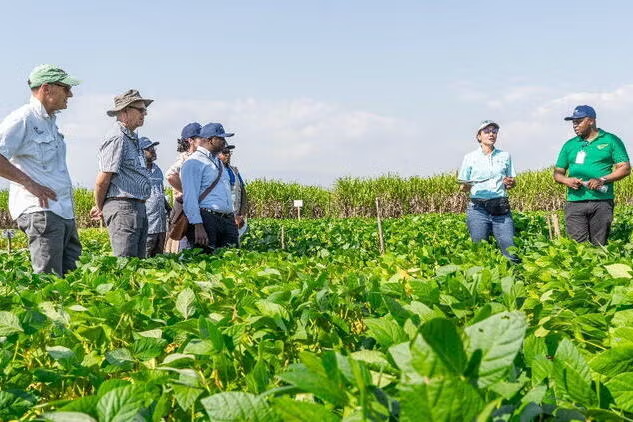
A $1.5 million Gates Foundation grant to the University of Illinois’ Soybean Innovation Lab will expand Pan-African soybean seed trials, accelerate variety registration and strengthen soybean markets across sub-Saharan Africa.
How Strong Leadership Helped Canada’s Seed Sector Earn National Recognition
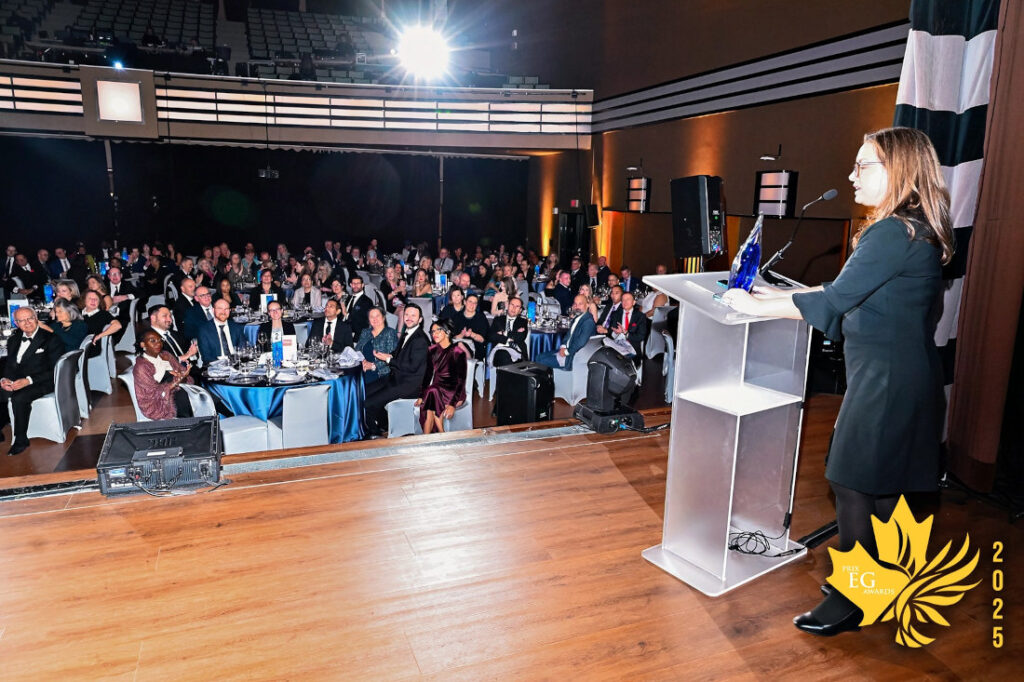
Behind every reliable seed is an organization committed to transparency, responsible leadership, and long-term stability
Editors Pick: The Risk Corner

Seed World Europe proudly features the columns of Professor David Zaruk, a Brussels-based expert in environmental health-risk policy who challenges conventional thinking. Known for sharp analysis, out-of-the-box ideas, and occasional provocation, he dissects EU debates shaping agriculture and regulation with clarity and wit. His commentary cuts through the Brussels noise to spotlight what policies mean for innovation, risk governance, and Europe’s seed sector—pushing conversations forward all year.
Where the New Year Meets the Long Game

As the seed industry returns from the holidays, Seed World welcomes readers into the new year with a reflection on the work ahead and why it continues to matter.
El regreso de lo real: siete tendencias de consumo que están transformando la industria alimentaria
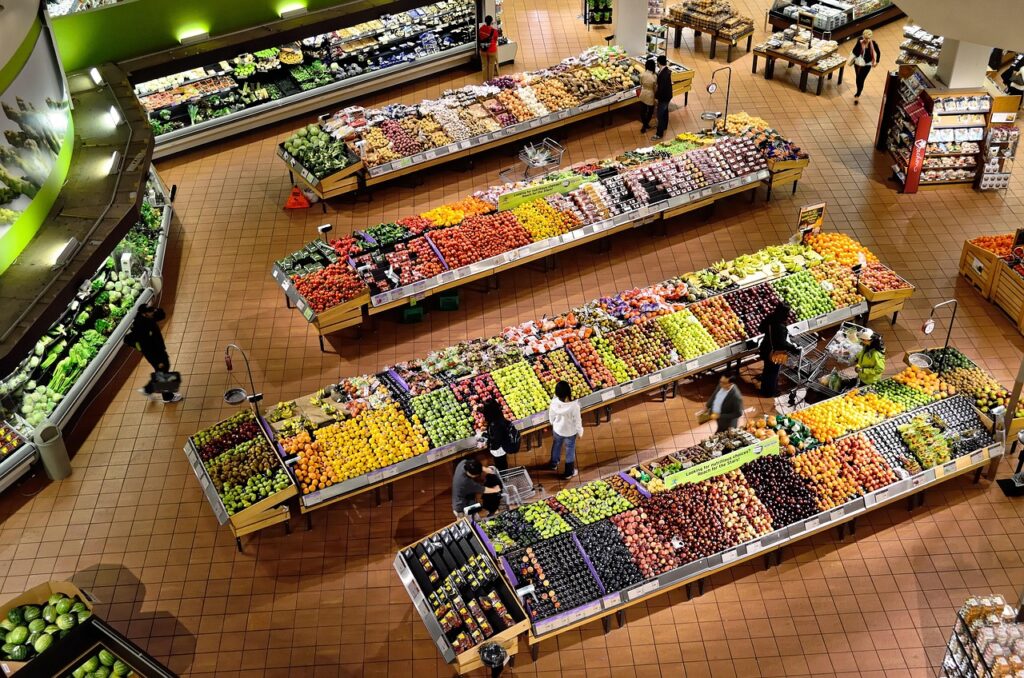
El nuevo informe de tendencias de NOURISH revela que los consumidores rechazan la perfección artificial y el marketing algorítmico, y priorizan la autenticidad, la conexión humana y la transparencia en los alimentos. Estas tendencias redefinirán la industria alimentaria hacia 2026, impulsando marcas reales, nutrición integral, experiencias sociales y una comunicación honesta.
New From Albaugh: BIOST® 2G Nematicide + Insecticide
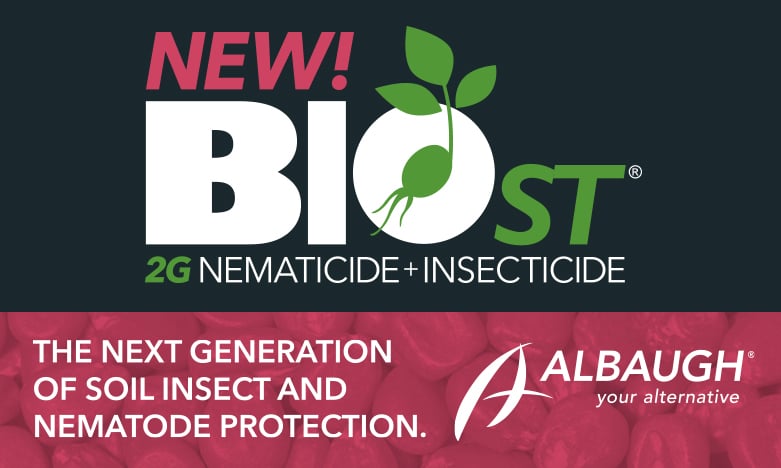
Albaugh’s BIOST® 2G Nematicide + Insecticide is a next-generation biological seed treatment delivering proven protection against plant-parasitic nematodes and soil-borne insect pests, including corn rootworm larvae, seed maggots, and wireworms. Featuring a novel active ingredient used on 20+ million acres, BIOST 2G is optimized for low-use-rate application. It quickly stops pest feeding to minimize crop loss while supporting an environmentally friendly profile. Available now, pending final state registrations.
Editors Pick: Crop Breeding Articles on Forage & Turf Crops
Seed World Europe’s crop spotlight series spans 30+ species and shines a light on the vital world of forage and turf breeding. These crops support livestock systems, soil health, carbon storage, and the green spaces around us. Our features explore breeder challenges—boosting resilience, persistence, nutrient efficiency, and stress tolerance—while safeguarding quality germplasm. From fescue and bluegrass to clover and lucerne.
Without Seed Innovation, Canadian Food Prices Could be 65% Higher

Canada’s farm economy is approaching a decisive moment. It can reignite innovation and productivity, or settle into a slower, less competitive future
Editors Pick: Sense, Nonsense and Science Columns

Seed World Europe features the columns of Dr. Joe Schwarcz, Director of McGill University’s Office for Science and Society, for readers who appreciate science with clarity, curiosity, and wit. Known for demystifying chemistry and challenging misinformation, Joe brings an engaging, no-nonsense voice to topics spanning food, biotechnology, health claims, and the science behind everyday phenomena. Each column helps readers separate evidence from hype while exploring how science shapes our world—and the seed sector.
Editors Pick: Crop Breeding Articles on Field Crops
Seed World Europe’s ongoing field crop series—now featuring more than 30 spotlighted crops—shows how breeders are pushing the boundaries of innovation in the world’s most important crops. Each article explores the realities of modern breeding, from unlocking new genetic diversity and battling emerging pests and diseases to navigating long timelines and major investment to deliver improved varieties to farmers. From maize and lupin to hybrid wheat, sugar beet, and barley, these stories highlight how breeding drives productivity, sustainability, and resilience across Europe’s cropping systems.
Is Canadian Agricultural Innovation in Crisis? The Evidence Says Yes

Our seed and plant-breeding systems are stuck in a risk-averse, underfunded loop, experts say
Editors Pick: Brussels Sprouts

César González, Public Affairs Manager at Euroseeds, offers Seed World Europe readers a front-row view of EU decision-making from Brussels. With an insider’s perspective on the institutions and policy process, he tracks the political debates and regulatory developments that most impact Europe’s seed sector. His columns translate complex legislation into clear, actionable insights—showing how ideas evolve, why they matter, and what they mean for seed businesses, innovation, and the future of plant breeding across the EU.
¿Ha muerto el multilateralismo? El fracaso de Lima y el futuro de la cooperación mundial en semillas
Una noche en Lima que lo cambió todo Eran casi las 11 p. m. de la última noche de negociaciones en la reunión del Órgano Rector del Tratado Internacional sobre […]
Editors Pick: Fun Facts on Crops
Take a break from policy and industry analysis with Seed World Europe’s “Fun Facts” series—light, engaging stories about the crops we often take for granted. These articles uncover quirky histories, surprising traits, and hidden wonders behind familiar foods, helping readers see beyond what’s on their plates. Each piece celebrates the extraordinary diversity of plants and aims to spark curiosity, joy, and fresh appreciation for what feeds us.
Seed sector celebrates advances in biotechnology, but warns of piracy and regulatory delays
Colombia’s seed sector closed 2025 on a positive note, marked by Acosemillas’ 55th anniversary and continued progress in certified seed supply, biotechnology, and traceability. Despite challenges such as seed piracy and regulatory delays, the market remains stable, advances in research, and strengthens its role in agricultural competitiveness, sustainability, and climate change adaptation.
Editors Pick: Franco’s Agri Notes
Franco Brazzabeni delivers a global, market-savvy perspective on agriculture through his columns for Seed World Europe. An international agribusiness consultant with strong commercial and marketing expertise, he also serves as a Board Member of Italy’s seed association Assosementi and contributes to multiple ISF groups. Franco connects market trends, consumer shifts, and emerging technologies to explain how the seed sector is evolving worldwide—offering clear, strategic insight into the opportunities and challenges shaping the EU seed sector.
What Quiet Leadership Looks Like — and Why it Works

A personal account of how one Manitoba family helped shape Canada’s seed industry through mentorship, scientific leadership, and credibility
El sector de semillas celebra los avances en biotecnología, pero advierte sobre la piratería y los retrasos regulatorios
El sector de semillas de Colombia cerró 2025 con crecimiento, innovación y retos clave. Acosemillas celebró 55 años impulsando semillas certificadas, biotecnología y trazabilidad. Pese a la piratería y retrasos regulatorios, el mercado se mantiene estable, avanza en investigación y refuerza su papel en la sostenibilidad, competitividad agrícola y adaptación al cambio climático.
Efficient Water Use Boosts Wheat Productivity While Reducing Emissions
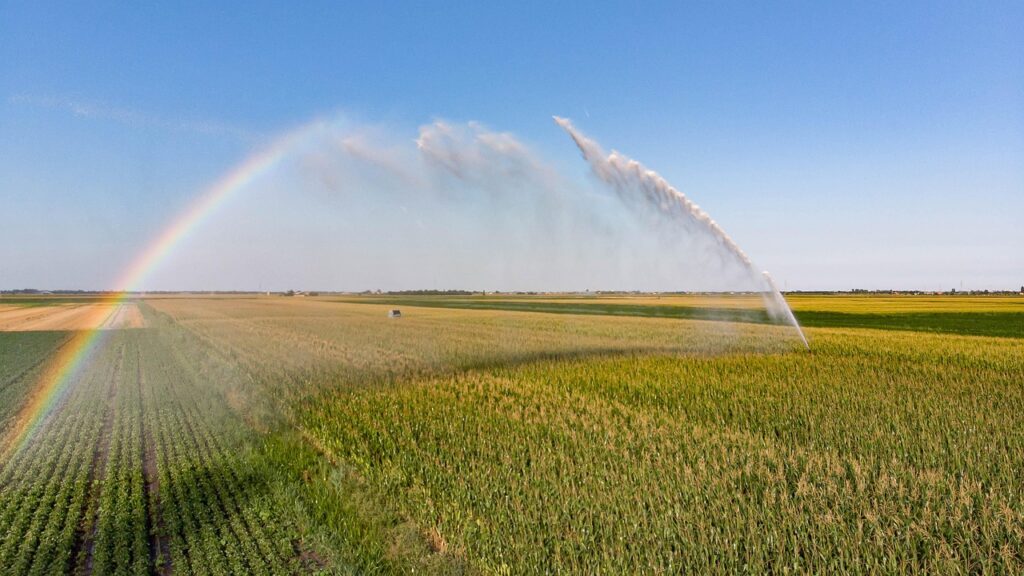
A study by Embrapa Cerrados shows that precise irrigation management in wheat can reduce greenhouse gas emissions by up to 50% without affecting yields. Irrigating at 40% soil water depletion optimizes productivity, water-use efficiency, and sustainability, offering a climate-smart strategy for tropical agriculture.
When the World Pauses, the Work Still Matters

At Christmas, Seed World reflects on the quiet, essential work of the seed industry and extends warm wishes to readers celebrating Christmas, Hanukkah, Kwanzaa and other seasonal traditions while looking ahead to the year to come.
What Sustainability Really Means for Seed, Farms and Retailers

Four experts explain how retailers can leverage certification, traceability, and seed genetics to reduce paperwork and unlock new markets
Editors Pick: The Editorials

ChatGPT said:Marcel Bruins is the Editorial Director of Seed World Europe, bringing decades of scientific, regulatory, and seed-sector leadership to every column. With expertise spanning plant breeding, plant pathology, and global seed policy—plus roles across breeding companies, international associations, and advisory bodies—he offers a uniquely holistic view of the industry. His articles cut through complexity to spotlight the opportunities, challenges, and debates shaping plant breeding, innovation, and global seed systems, from tackling misinformation and regulatory bottlenecks to exploring the future of international cooperation and the vital role of seeds in feeding the world.
Invisible Seed Damage: How Combine Settings Impact Germination and Vigour
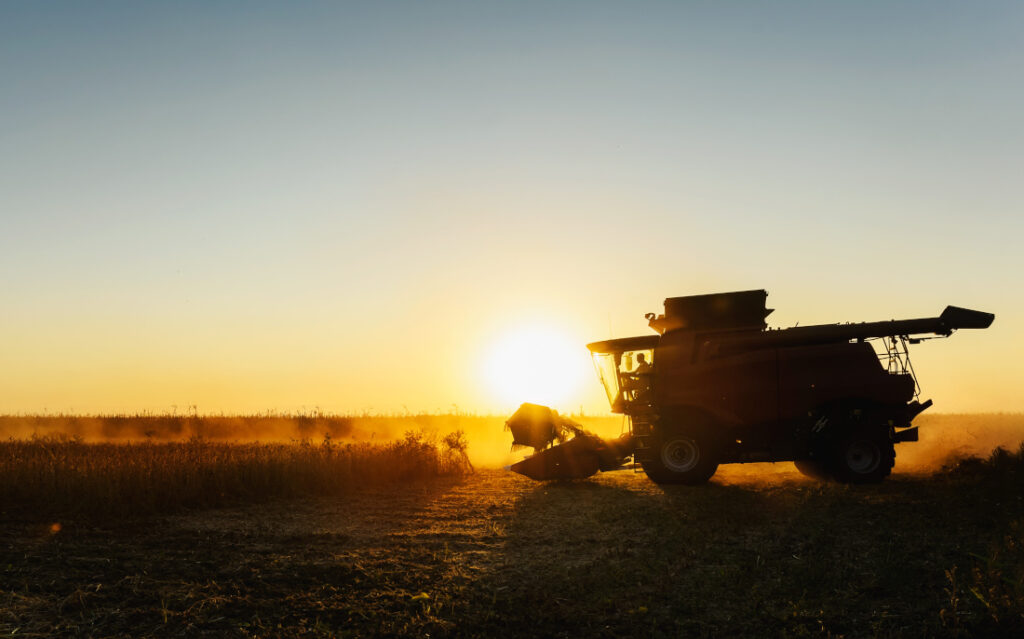
Seed labs are seeing what you can’t: the real cost of mechanical damage. In 2024, more than half of the pea samples tested at 20/20 Seed Labs showed some level […]
Crop pests can develop ‘fighter-jet wings’ after eating a specific mix of corn
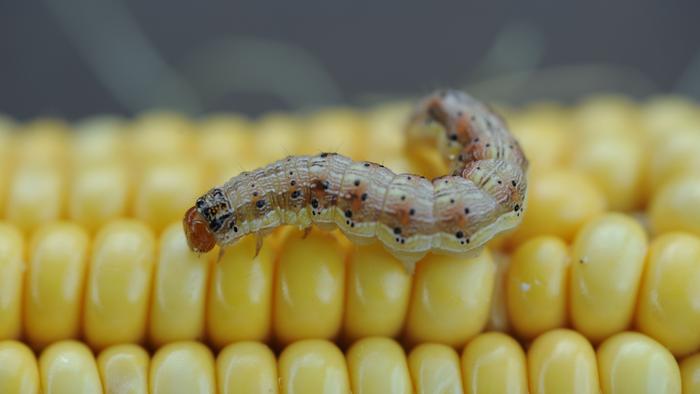
Corn earworm moths can develop longer, more aerodynamic “fighter-jet” wings after feeding on a blend of Bt and non-Bt corn, allowing them to fly farther and potentially spread resistance traits more quickly across corn, soybean and cotton systems.
Editors Pick: Articles on Ukraine
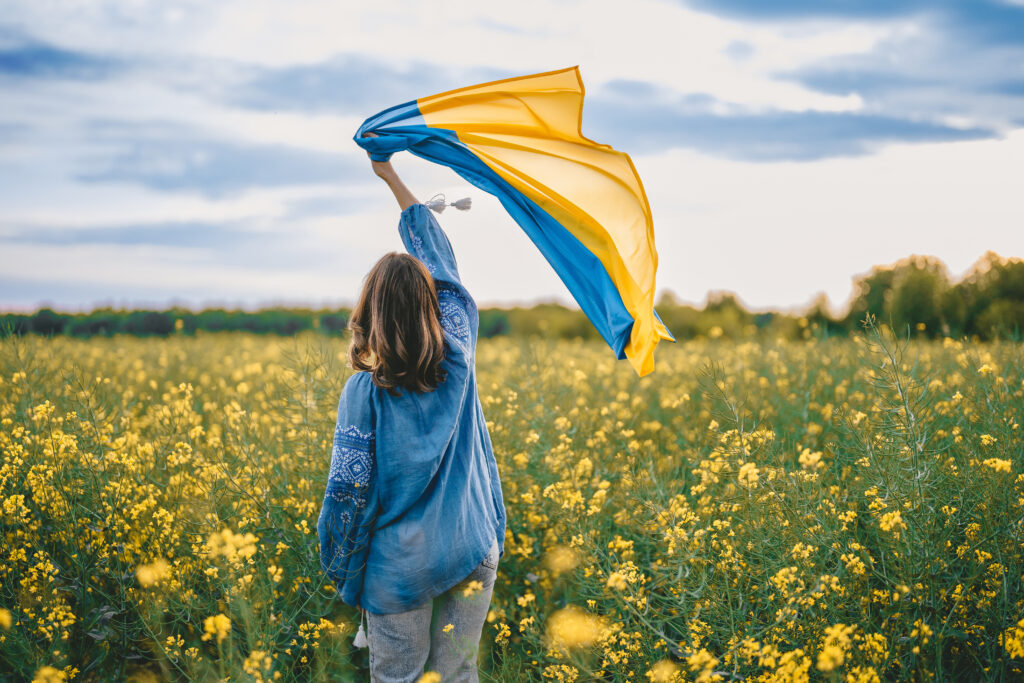
Seed World Europe has chronicled Ukraine’s plant breeding and seed sector since the start of Russia’s invasion, spotlighting resilience, disruption, and ongoing innovation under wartime conditions. Our coverage amplifies the voices of researchers, breeders, institutions, and businesses protecting genetic resources, navigating blackouts and damaged infrastructure, and pursuing alignment with European standards. These stories examine long-term risks to soil health, productivity, and global food security—while underscoring Ukraine’s path toward deeper European integration and a stronger, modern seed sector.
New Tech Could Turn Canola’s “Waste” Into a $7,000-a-Kilo Product
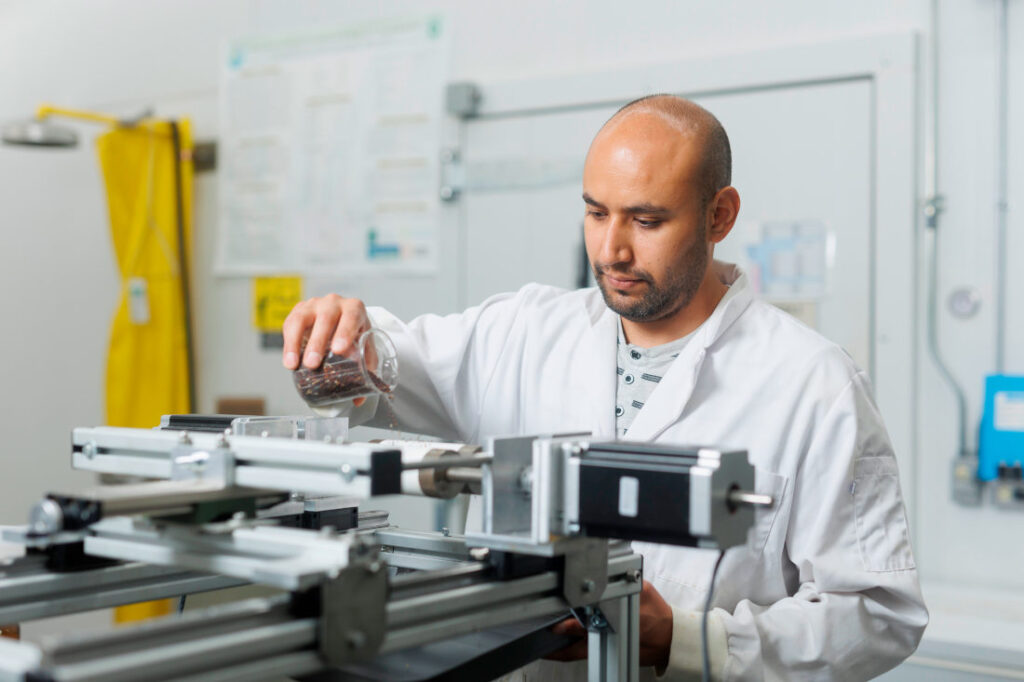
Researchers at the University of Saskatchewan are using advanced X-ray imaging to unlock hidden value in Canada’s most important crop
Mientras Brasil crece, América Latina marca el ritmo de la producción agrícola mundial
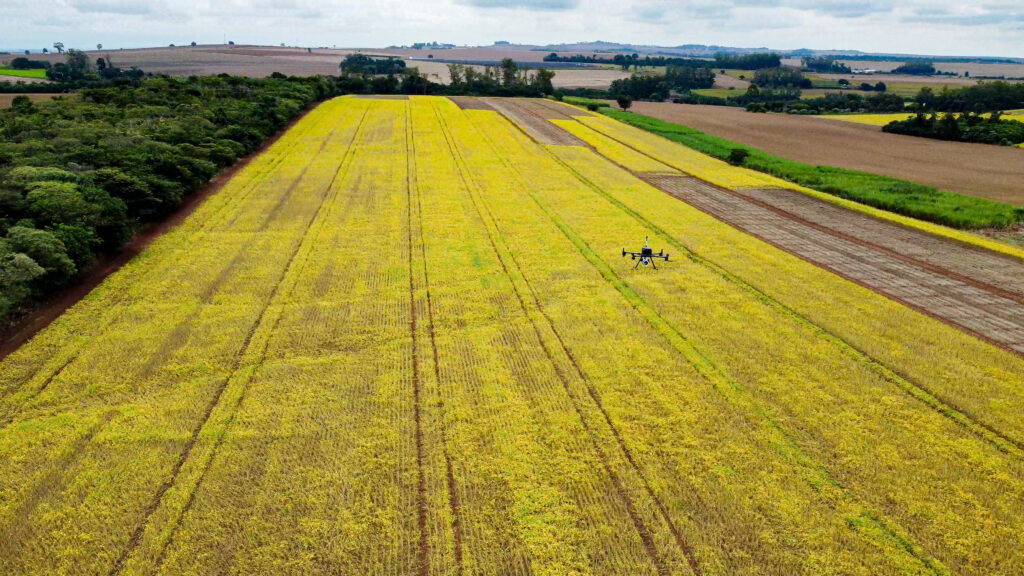
En la Convención de Semillas de ASTA, el economista Dan Basse advirtió que la sobreoferta global de granos, la demanda estancada y los altos costos en EE. UU. están redefiniendo la agricultura. Señaló a los biocombustibles, la geopolítica y el ascenso de Brasil como factores clave que marcarán el futuro del sector semillero y los márgenes de los agricultores.
Editors Pick: Crop Breeding Articles on Vegetables
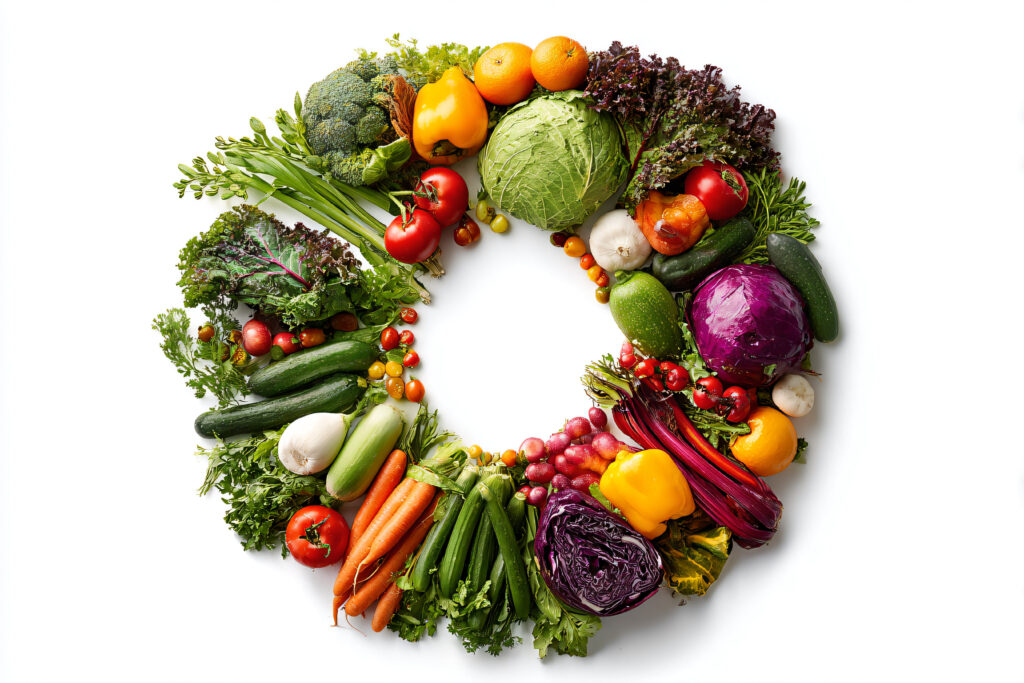
Seed World Europe’s Crop Spotlight series explores vegetable breeding across 30+ crops, revealing the science, innovation, and grit behind every variety. From carrot, spinach, lettuce, cucumber, and broccoli to what’s next, breeders tackle emerging diseases, scarce germplasm, and long R&D timelines to deliver resilient, high-performing produce. Discover how creative breeding adapts vegetables for climate change and evolving consumer demands today.
Do You Know A Promising Young Plant Breeder In Europe? Nominations Are Open
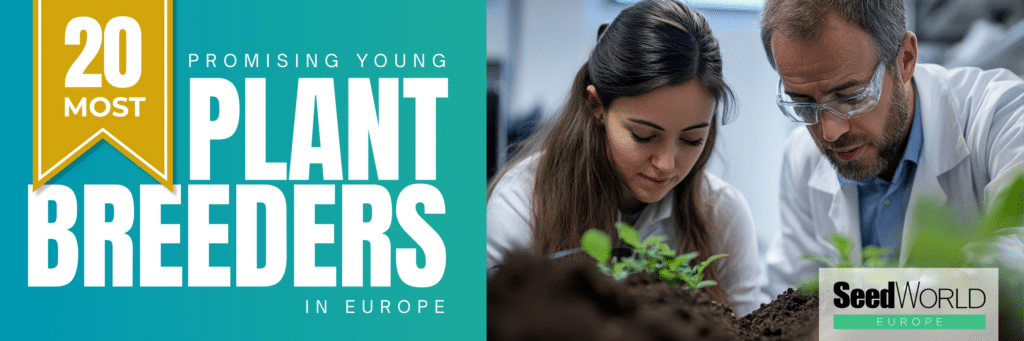
Seed World Europe is now accepting nominations for its April 2026 “20 Most Promising Young Plant Breeders in Europe” feature. Nominate early-career plant breeders making an impact across Europe, from universities, research institutes, seed companies, and sector organisations.
UK Late Blight Trends Show Disease Continuing to Evolve
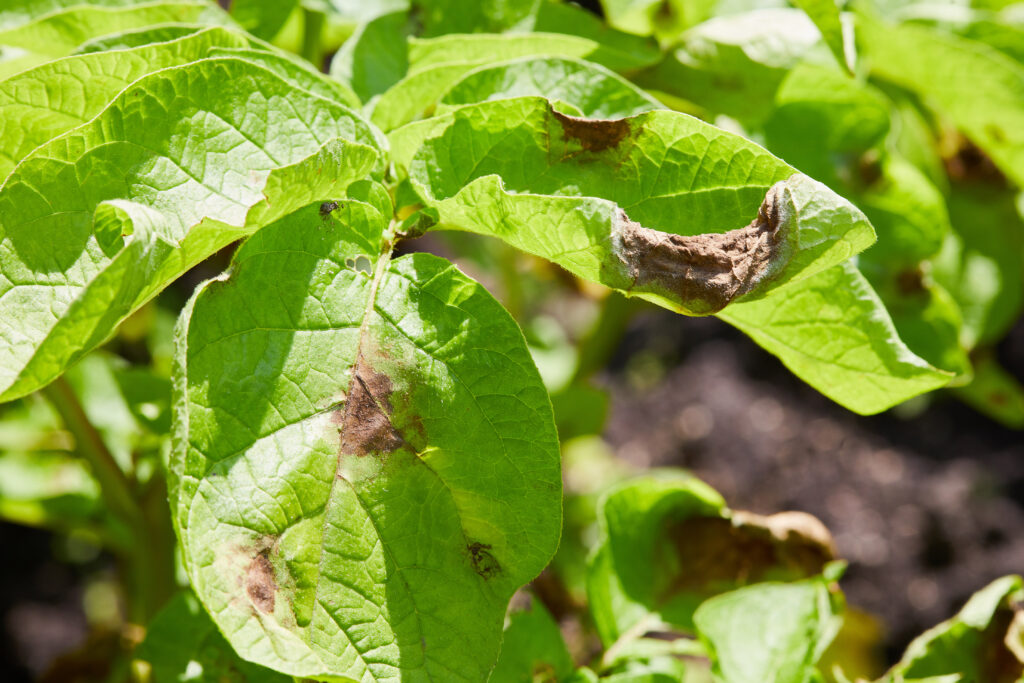
The 2025 Fight Against Blight (FAB) findings reveal shifting UK late blight strains, including a rise in EU46 resistant to key fungicides. Dry early conditions limited outbreaks, but volunteer potatoes drove infections later. Experts stress rotating fungicides, managing infection sources, and selecting blight-resistant potato varieties to protect future yields.
AI Offers ‘Roadmap’ to Plant Genetics

Cold Spring Harbor Laboratory researchers combined evolutionary mapping and AI to identify redundant genes that complicate crop improvement. By tracing the CLE gene family across 140 million years and thousands of plant species, they trained models to predict which genes share overlapping functions and which edits may affect traits. Using CRISPR in tomatoes, they knocked out 10 predicted redundant genes, revealing visible changes and a scalable roadmap for breeding climate-resilient crops.
New Tool Helps Breeders Identify Stronger Hybrids Faster
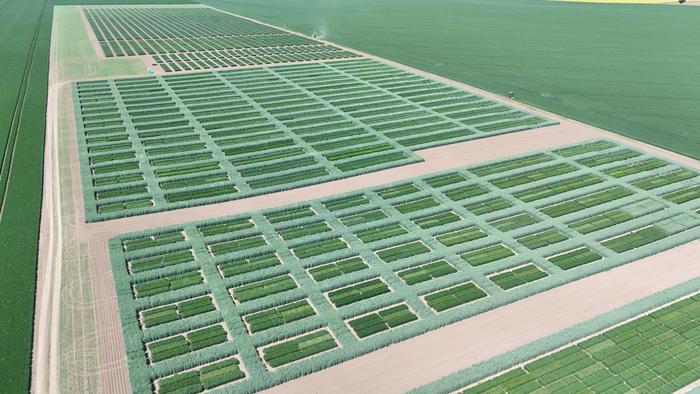
Researchers have developed hQTL-ODS, a faster statistical method to uncover the genetic interactions behind heterosis—hybrid vigour that boosts crop yield. Instead of testing billions of gene combinations, the approach estimates each gene’s contribution through genome-wide interactions. In a wheat study of 5,000+ hybrids, it identified key loci linked to higher performance. The tool could accelerate hybrid breeding in wheat, maize and rice for future food security.
Soil Compaction Isn’t the Problem — it’s the Symptom

Real solutions come from understanding causes, not applying band-aids. Many of the challenges producers face tend to repeat themselves. Herbicide-tolerant weeds, erosion, soil compaction, and high input costs are common […]
Agriculture, AI, and the Trust Gap: Lessons From a 70-Year Farming Legacy

The Anderson family of Manitoba shows how agriculture can rebuild trust through clarity, credibility, and leadership