

Concepts for Your Seeds
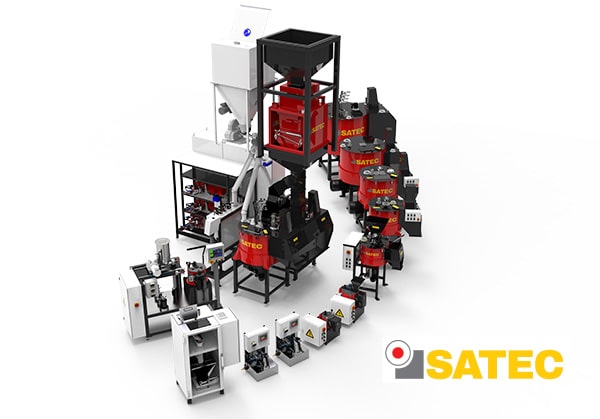
For more than 40 years, SATEC® has offered you the perfect combination of technique, chemicals and experience to treat your seeds, ensuring their high quality. You get specific and individual […]
Precision and Intelligence in Motion: The New Galaxy & Globe

Elica ASM’s new Galaxy and Globe optical sorters deliver advanced multispectral 4K vision, AI-driven analysis, and precision ejection for superior seed and material purity. Powered by the ARGOS system and SophIA software, they detect defects, contaminants, and non-germinating seeds in real time. Designed for varied capacities, both models ensure sustainable, Industry 5.0-ready performance with high efficiency and reliability.
Crop-killing Pathogen Found to Disable Plants’ Alarm System

Scientists at The James Hutton Institute and partner universities have discovered how the destructive crop pathogen Phytophthora infestans disables plant immune systems. Published in Nature Communications, the study reveals that AA7 oxidase enzymes help the microbe silence plant alarm signals. Disabling these genes stops infection, offering new pathways to strengthen crop protection and boost resilience amid climate change–driven threats.
Women in Agriculture Gain Global Support with New Information Hub
A new global information hub is elevating the role of women farmers and expanding support for their leadership across agriculture. As partners prepare for the International Year of the Woman Farmer in 2026, the initiative brings new data, tools and visibility to the women who grow much of the world’s food.
Nuevas tecnologías para proteger la propiedad intelectual en Uruguay
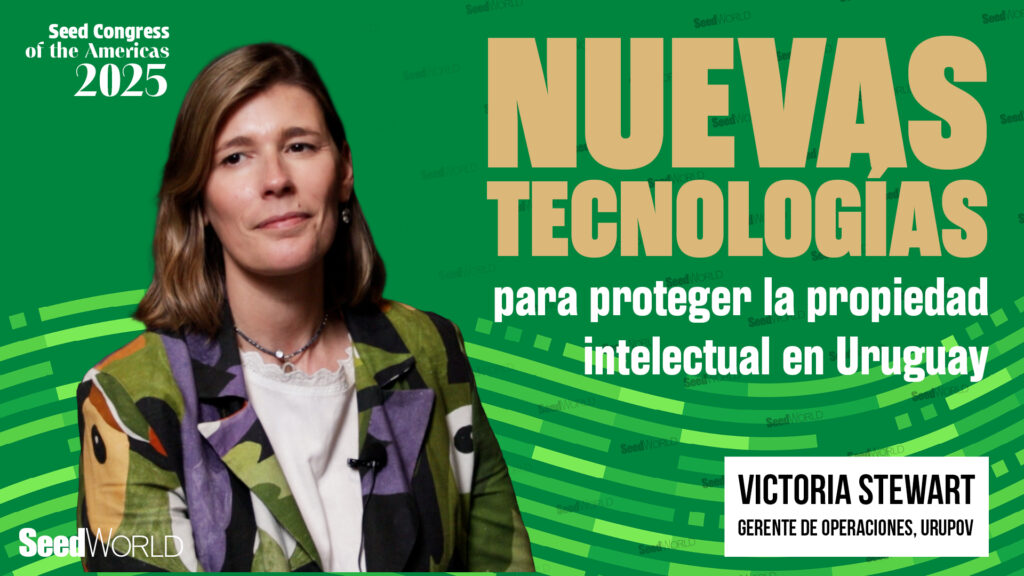
En el 10º Congreso de la Asociación de Semillas de las Américas (SAA) en Foz de Iguazú, Victoria Stewart, Gerente de Operaciones de la Asociación de Obtentores Vegetales del Uruguay (URUPOV), explicó cómo Uruguay combina innovación y respeto a la propiedad intelectual en su industria semillera, que mueve unos 250 millones de dólares y cerca de 100 empresas. Destacó el rol central del INASE como autoridad de control y la fuerte articulación público-privada. URUPOV trabaja con un “kit de herramientas” que incluye técnicos de campo, toma sistemática de muestras, uso de marcadores moleculares para identificar variedades por ADN y sistemas de inteligencia artificial (ZoomAgri) que reconocen variedades por imagen. Todo orientado a capturar valor, asegurar transparencia y garantizar acceso continuo a la mejor tecnología para los productores.
Breakthrough Study Reconstructs the Evolution and Diversity of Eggplant
An international research team has produced the first complete eggplant pan-genome and pan-phenome, published in Nature Communications. By analysing 3,400 varieties and 368 key accessions, scientists traced eggplant’s origins to India and Southeast Asia and identified thousands of gene–trait associations. The findings reshape domestication history and unlock new opportunities for precision breeding, disease resistance and future cultivar innovation.
We Assumed Water Was Endless. Scientists Say That Era is Over
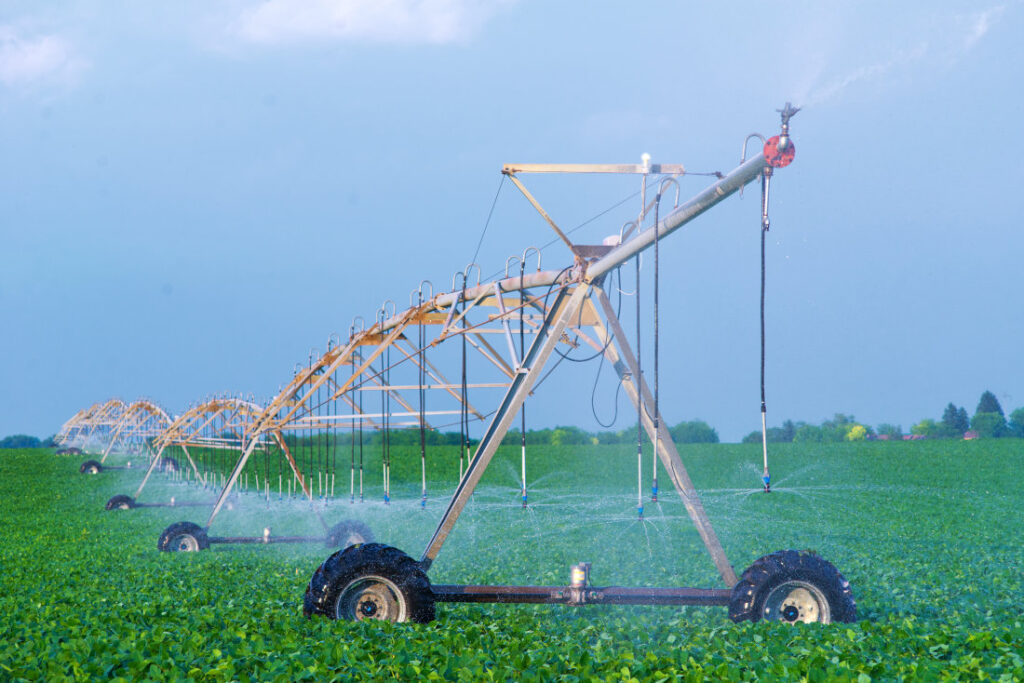
Canada is in a race against time to safeguard one of our most precious resources: water
NordGen Joins Global Talks on Crop Diversity in Lima
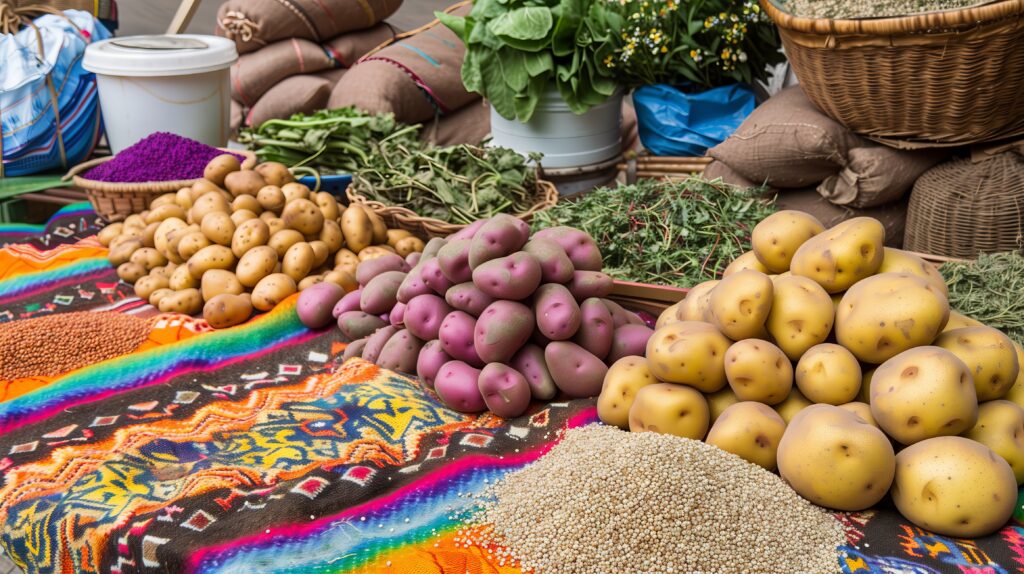
NordGen is in Lima for the Eleventh Session of the International Treaty’s Governing Body, joining global delegates to advance conservation and fair access to plant genetic resources. Peru’s rich crop diversity sets the stage for discussions on climate resilience, food security and equitable benefit-sharing. NordGen also co-hosted a Seed Vault event highlighting global cooperation, biodiversity stewardship and farmers’ rights.
Biotecnología desde los trópicos: Ecuador lucha contra el hongo que marchita los bananos
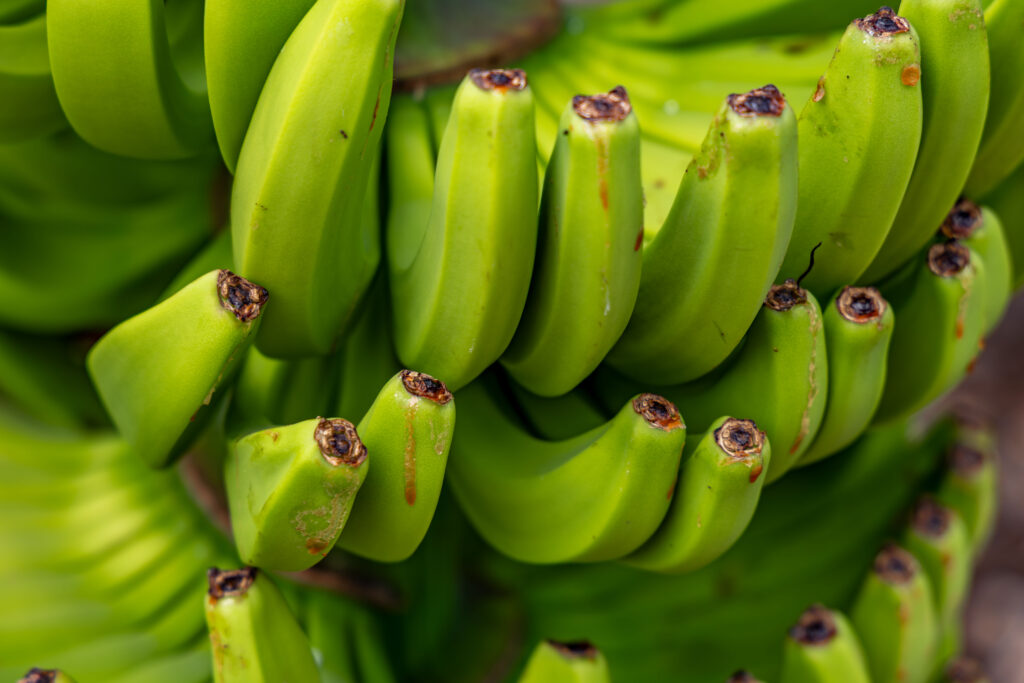
Científicos ecuatorianos emplean CRISPR-Cas9 para editar genéticamente el hongo Fusarium que causa la marchitez del banano. Al desactivar el gen SIX9, reducen la capacidad del patógeno para infectar plantas. Esta estrategia innovadora, rápida y escalable ofrece una alternativa a los métodos tradicionales y refuerza el liderazgo biotecnológico de Ecuador, protegiendo la producción mundial de banano y la seguridad alimentaria.
Biotechnology From The Tropics: Ecuador Fights Against Fungus That Withers Bananas
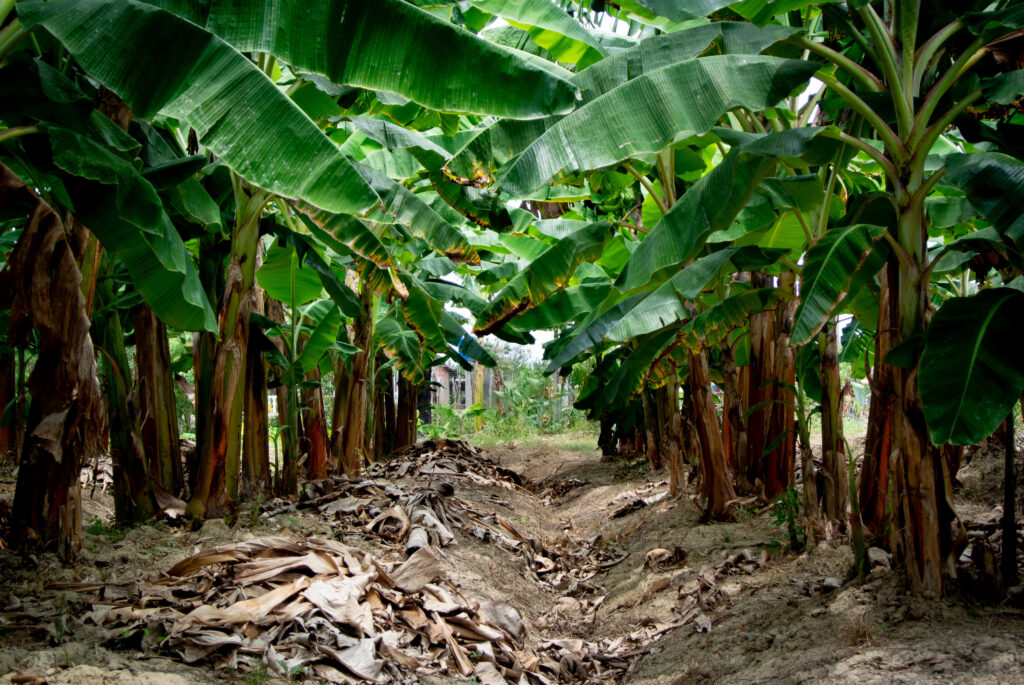
Ecuadorian scientists are using CRISPR-Cas9 to genetically edit the Fusarium fungus that causes devastating banana wilt. By disabling the virulence-related SIX9 gene, they reduce the pathogen’s ability to infect plants. This innovative strategy offers a fast, scalable alternative to traditional control methods and strengthens Ecuador’s leadership in agricultural biotechnology, helping protect global banana production and food security.
How Pumpkin Seed Quietly Shapes Your Entire Thanksgiving Dinner
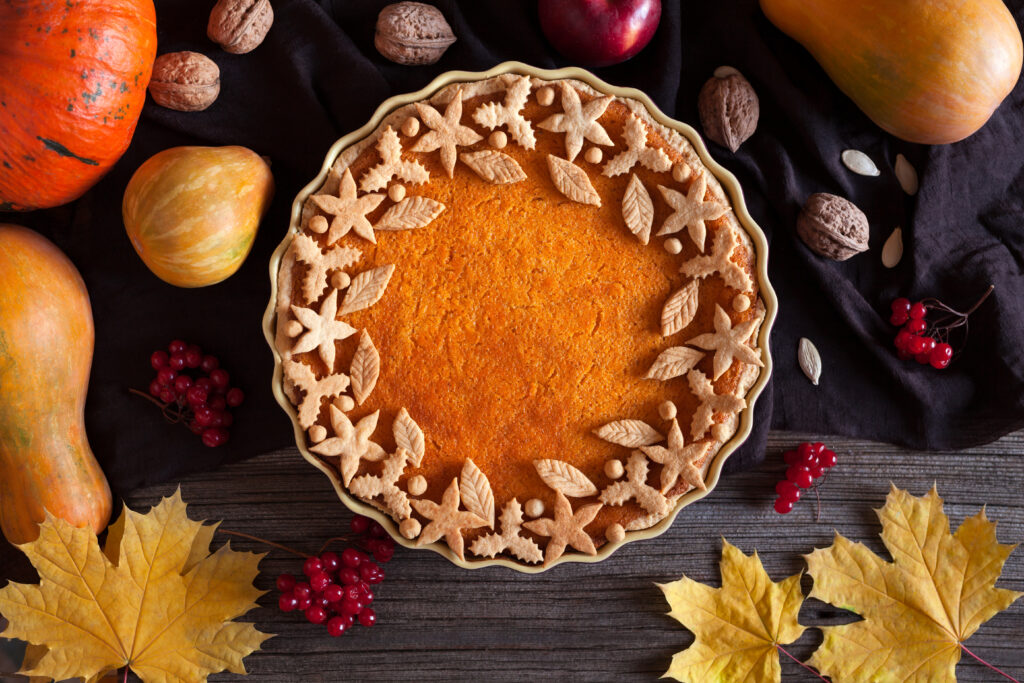
Thanksgiving pumpkin pie starts long before the baking begins. Specialized pumpkin seed, seed oils and spices shape the flavors and textures that define the holiday.
Europe’s Farming Future: Syngenta’s Matthew Pickard on the Big Changes Ahead
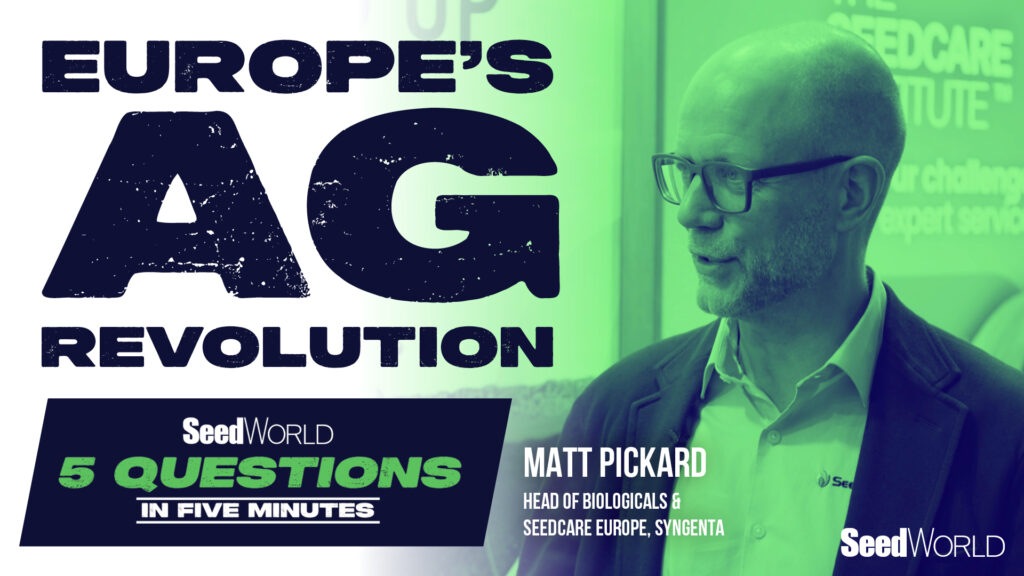
Europe’s agriculture is rapidly transforming under climate pressure, shifting regulations, and fast-advancing technologies. In this fast 5-Questions-in-5-Minutes interview, Syngenta’s Matthew Pickard breaks down the rise of biologicals, the impact of precision tools, and the importance of cross-value-chain collaboration. A concise, forward-looking look at the innovations shaping the future of European farming and farmer competitiveness.
Mejorando el trigo con edición génica para hacerlo más saludable

En el 10º Congreso de la Asociación de Semillas de las Américas (SAA) en Foz de Iguazú, Daniel Norero, Director Comercial de Neocrop Technologies, presentó un avance regulatorio histórico: Chile y Argentina dieron respuesta favorable a un trigo editado con CRISPR, permitiendo su comercialización como cultivo convencional, un hecho inédito en el continente. Norero destacó que la edición génica acelera significativamente el mejoramiento del trigo y permite desarrollar productos con mayor fibra dietética, clave en países con bajo consumo de fibra y alto consumo de pan. Este logro refleja el inicio de una nueva generación de alimentos mejorados desde la genética y con creciente respaldo regulatorio.
Democracy Looks Pretty Ordinary — And That’s What Makes it Extraordinary
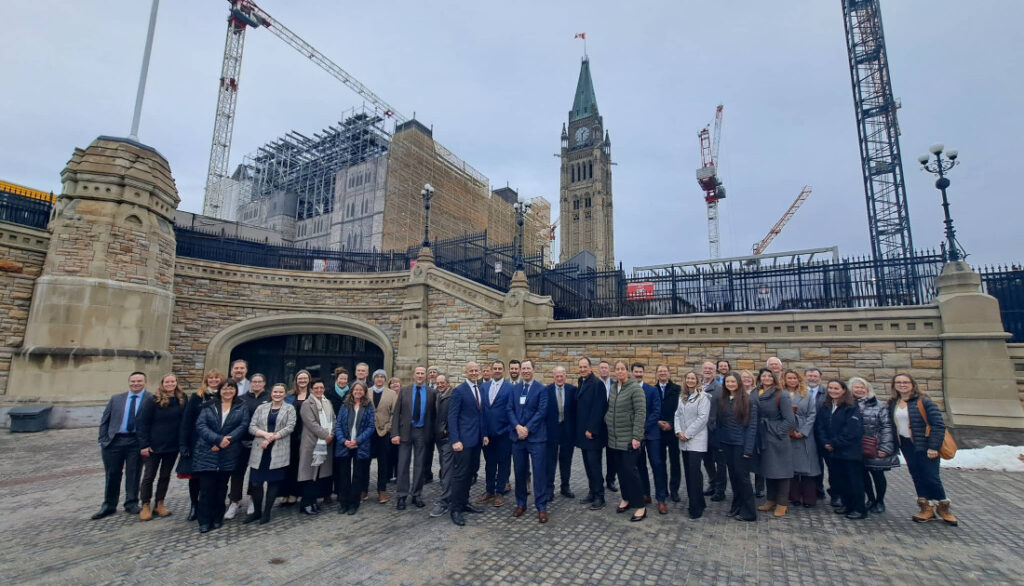
Seeing Parliament in action highlighted the ordinary power of democratic trust and the timely opportunity for seed growers to shape policy
NGTs at a Crossroads: The UK Steps Forward, Can the EU Keep Up?

Post-Brexit, the UK has embraced new genomic techniques (NGTs), breaking from the EU’s strict biotech rules. Seed World’s expert panel—Jan Gottlieb, Nigel Moore and Katie Davis—explores how this regulatory shift will impact Europe’s competitiveness, farmers, researchers and global trade. A must-watch discussion for anyone tracking gene editing, plant breeding and the future of agricultural innovation.
25 Associations Press EU for Rapid, Science-Based NGT Approval

A coalition of 25 EU food and feed organisations urges policymakers to swiftly finalise New Genomic Techniques (NGTs) rules without adding new burdens. With agriculture facing climate pressures and reduced crop protection tools, the groups warn extra restrictions risk undermining innovation and EU competitiveness. They call for a science-based framework enabling resilient, modern plant breeding.
Estudio: La edición genética produce plantas indigeribles para las plagas

Investigadores destacan cómo la edición genética puede aumentar los inhibidores naturales de α-amilasa en los cultivos para protegerlos de insectos que consumen almidón, como gorgojos y escarabajos. El análisis muestra que reforzar estas defensas nativas reduce daños sin afectar la digestibilidad humana o animal. Los cultivos editados podrían evitar regulaciones estrictas de OGM, ofreciendo una estrategia prometedora para el control sostenible de plagas.
Study: Gene Editing Produces Plants That are Indigestible To Pests

Researchers highlight how gene editing can enhance natural α-amylase inhibitors in crops to protect against starch-feeding insects like weevils, beetles, and borers. The review shows that boosting these native defenses could reduce pest damage without harming human or livestock digestibility. Gene-edited crops may avoid strict GMO regulations, offering a promising strategy for sustainable pest control.
Thanksgiving Dinner Seed By Seed

Thanksgiving dinner starts long before the table is set. From wheat in stuffing to corn and soybeans that feed the turkey, nearly every dish traces back to a seed. Cranberries, pumpkins, pecans and even sweet potatoes connect holiday favorites to plant breeding, crop improvement and the farmers who grow them. This story breaks down Thanksgiving, seed by seed, and shows how modern agriculture shapes the feast.
Thanksgiving: A Celebration Rooted in Agriculture

Thanksgiving celebrates America’s agricultural roots, echoing the Pilgrims’ first harvest built on cooperation and survival. Today, farmers carry on that legacy through hard work, stewardship, and community. Our family’s farming tradition, beginning in 1904 and expanding into seed production in 1941, continues to honor these values. This season, we celebrate abundance, togetherness, and the enduring spirit of American agriculture.
Why Seed Growers Are Bringing Their Story to Parliament Hill This Week

Bringing the provincial seed grower discussion to Ottawa ensures federal ears hear provincial voices — and that those voices are aligned
How Plants Search For Nutrients

Researchers from TUM and IPK have identified genetic and root-growth traits that help Arabidopsis thaliana tolerate boron deficiency, a growing challenge under climate change. By analysing 185 datasets, they found seven boron-efficient ecotypes with enhanced lateral root growth and key genomic regions linked to nutrient uptake. These insights could guide breeding nutrient-resilient rapeseed with improved yields and climate tolerance.
LETTER TO THE EDITOR: On-Farm Trials Are the Future in Improving Crop Yield, Seed Performance Decisions
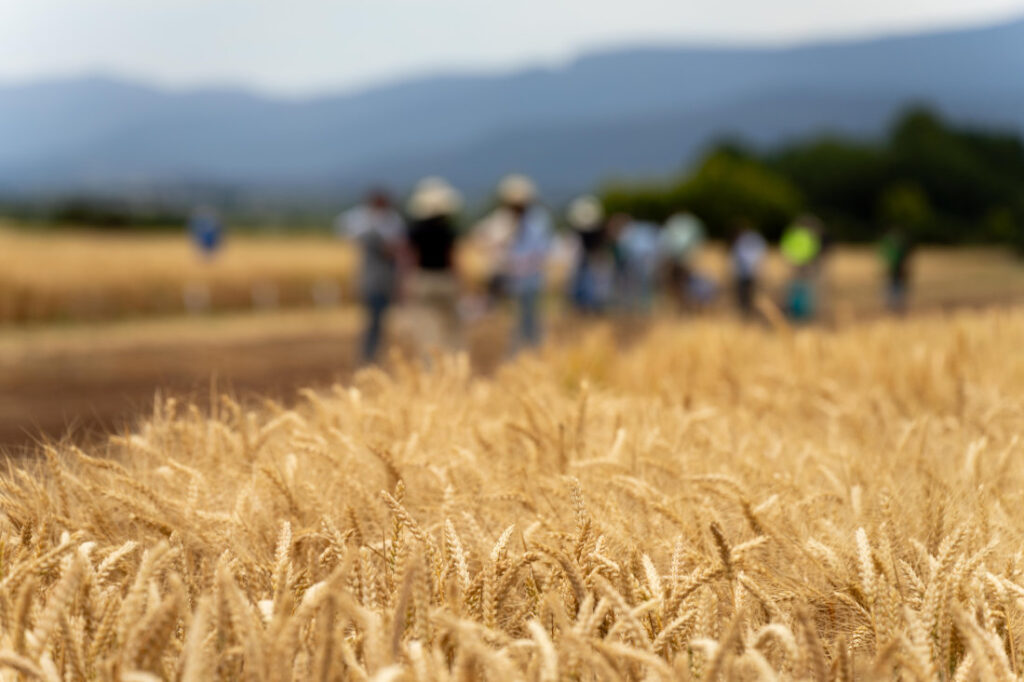
Growers are increasingly expected to conduct their own preliminary testing of new varieties, a practice already common in hybrid corn
Ancient Wheat Compound Offers Natural Protection Against Aphids

Scientists at Rothamsted Research uncovered saponarin, a natural flavonoid in ancestral einkorn wheat (Triticum monococcum) that powerfully deters the destructive English grain aphid. Published in Journal of Agricultural and Food Chemistry, the study shows this innate resistance could reduce pesticide use, combat aphid-transmitted viruses like BYDV, and support sustainable wheat breeding for resilient, climate-smart agriculture.
2025 Young Seedsman, Big Impact
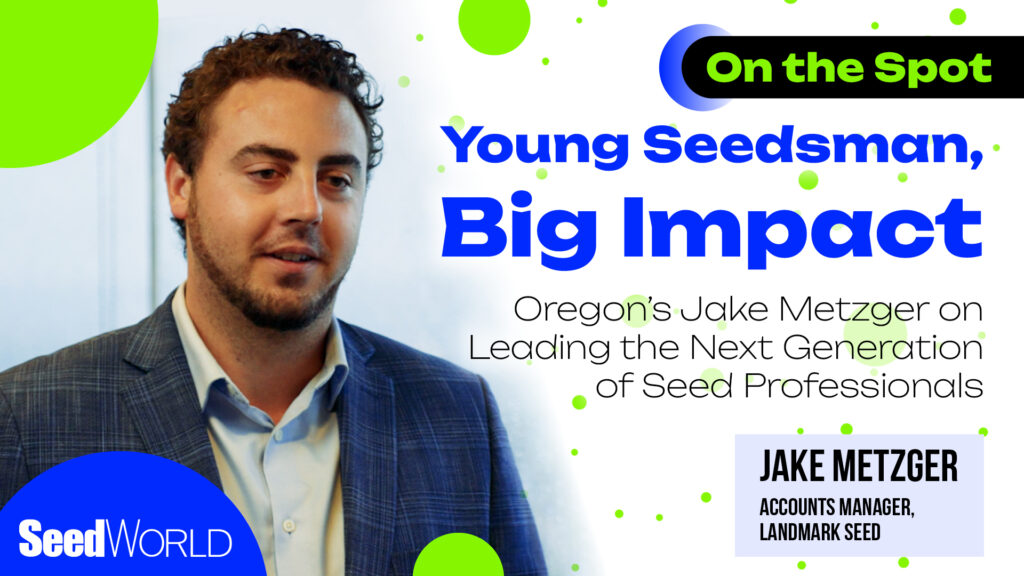
Jake Metzger of Oregon’s Landmark Seed earns the 2025 Western Seed Association Young Seedsman Award and shares how relationships fuel the next generation of seed professionals.
Innovation Over Uncertainty: How U.S. Seed Industry Policy Shapes the Future of Agriculture
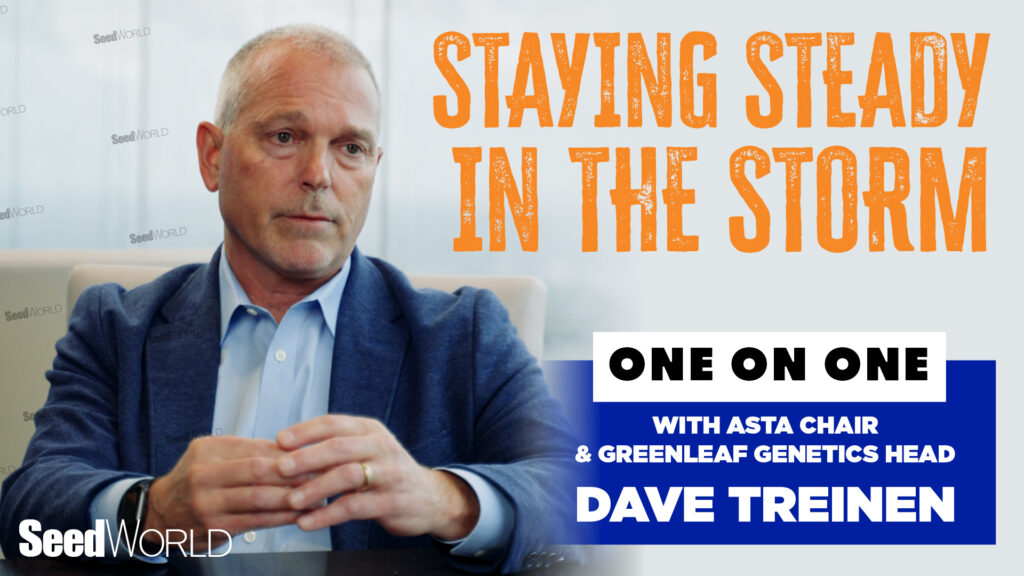
U.S. seed industry policy is shifting fast. ASTA chair Dave Treinen says the future of innovation depends on education, advocacy, and staying close to customers.
¿Un protector solar para las plantas?
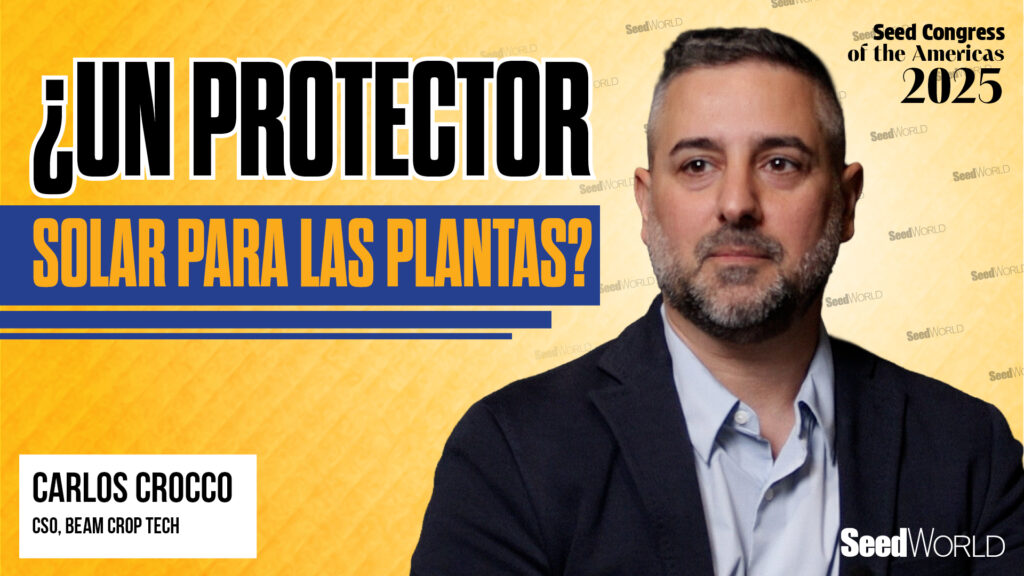
En el 10º Congreso de la Asociación de Semillas de las Américas (SAA) en Foz de Iguazú, Carlos Crocco, Director Tecnológico de Beam CropTech, presentó Photoprotect, una innovación que mejora la eficiencia fotosintética de las plantas. La tecnología activa de forma anticipada un gen presente en todos los cultivos, permitiendo que la planta aproveche mejor la luz solar, genere más energía diaria y aumente biomasa y productividad. Crocco explicó que la industria muestra gran interés, aunque integrar la tecnología en variedades comerciales requiere años de trabajo conjunto. Destacó además el rol de startups especializadas y la creciente apertura del sector a nuevas soluciones biotecnológicas.
CRISPR & Trust: NGT Trailblazer Tropic Weighs in
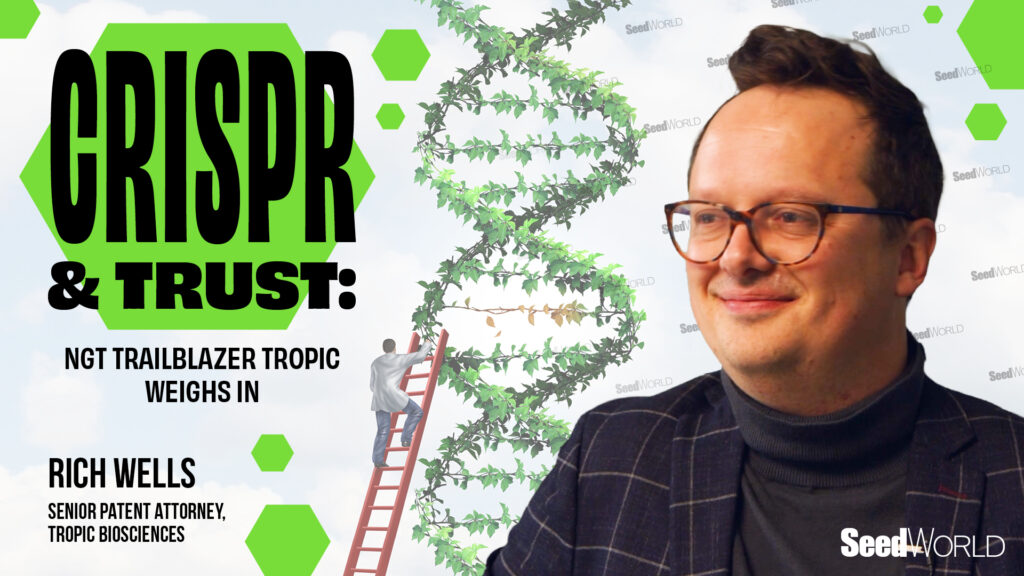
CRISPR is reshaping agriculture. Can regulation and public trust keep up?
In this episode, we talk with Richard Wells, Senior Patent Attorney at Tropic Biosciences, about how gene editing is transforming crops like banana — a sector hit hard by disease and climate change. Wells explains how Tropic uses CRISPR to create resilient, sustainable varieties and what it takes to bring them from lab to field under evolving global regulations.
If you’re interested in agtech, food security or CRISPR regulation, don’t miss this deep dive into where science meets policy.
CSGA Has Gone From Traditional to Trailblazing in Governance
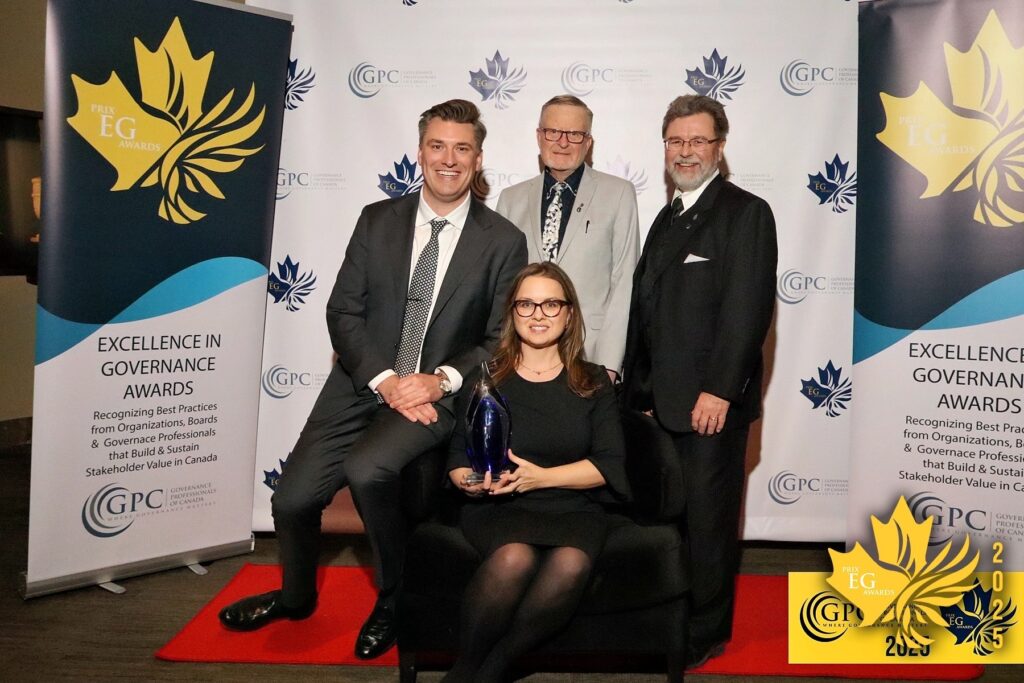
A national honour recognizes the Canadian Seed Growers’ Association’s bold, multi-year mission to reinvent itself
Mental Health: The Invisible Weight

Women in agriculture are carrying an invisible weight — balancing farms, families, and communities while facing mounting pressures. Across North America, new programs are helping farmers talk openly about mental health and find support that fits their world.
Farmers are Rewriting Syngenta’s Approach to Innovation

Syngenta’s Mathieu Boulay reveals how true agricultural innovation happens through collaboration — from farmers in the field to scientists in the lab and product teams bringing solutions to market. In this exclusive Seed World interview, he shares how grower feedback shapes development, what derails innovation, and what farmers need for real on-farm impact. Watch this candid, behind-the-scenes conversation.
Barley Producers Back Next-Gen Breeding With $1.15M Investment
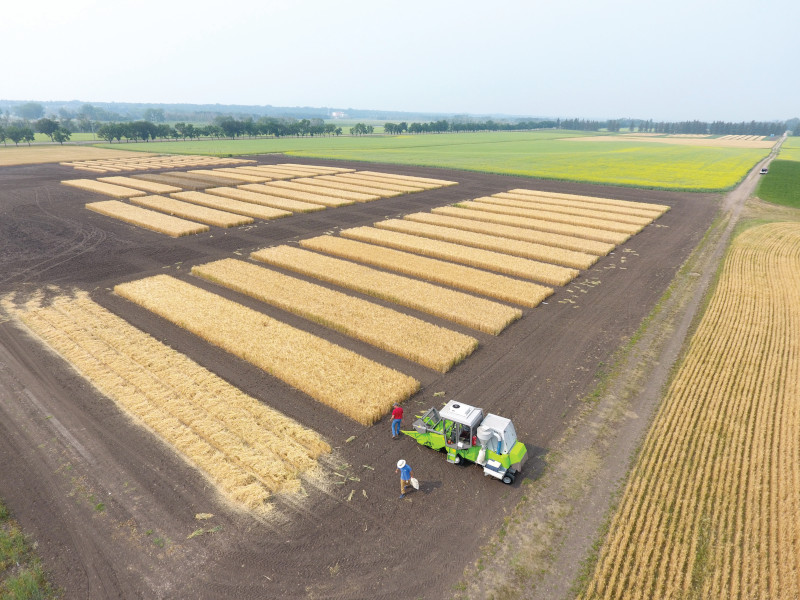
The Canadian Barley Research Coalition (CBRC) announced an investment of $1,148,900 over three years in a Core Barley Breeding Agreement with Agriculture and Agri-Food Canada (AAFC). This producer-funded investment will […]
Researchers Map the Complete Oat Genome to Boost Future Breeding

An international team led by Germany’s Leibniz Institute has mapped the complete oat pangenome, compiling genetic data from 30 varieties to unlock traits for nutrition, sustainability, and climate resilience. Featuring ETH Zurich’s study of the historic Swiss ‘Hative des Alpes’ oat, the research offers new opportunities to breed disease-resistant, nutrient-rich, and eco-friendly oat varieties for modern agriculture.
Delivering on Nature’s Design: Why True Collaboration — Between People and Microbes — Will Redefine Agricultural Biologicals
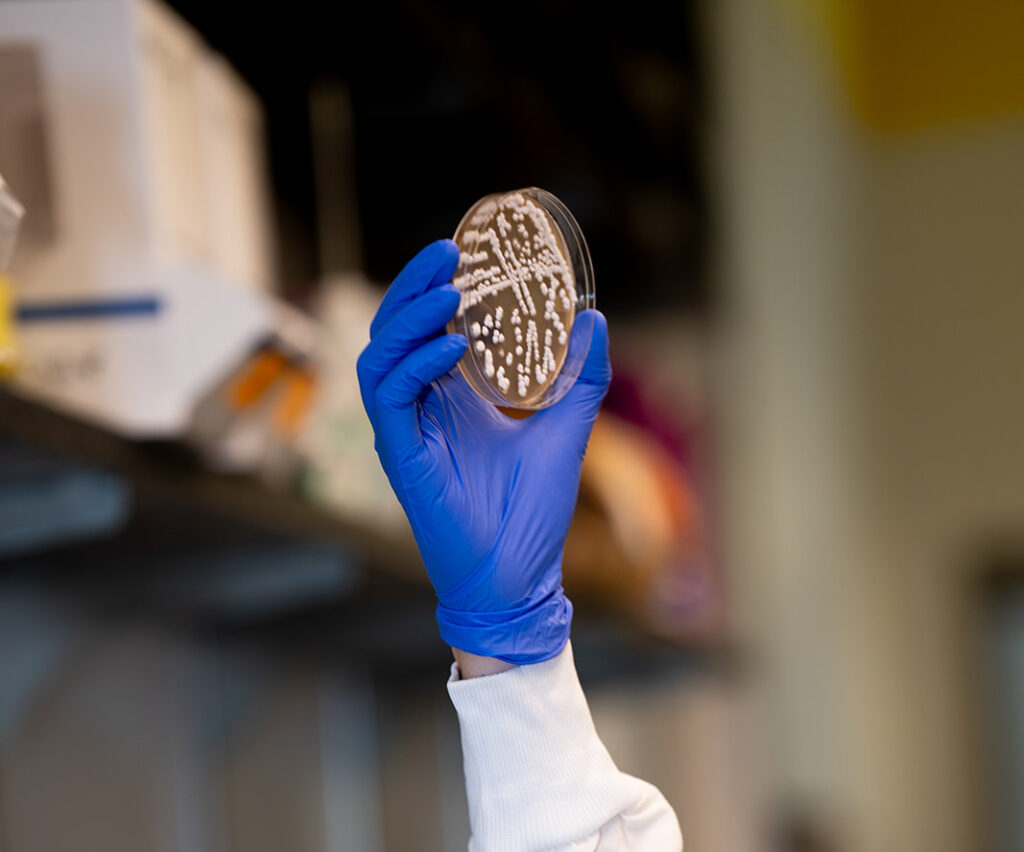
Integrated microbial and chemical solutions are redefining the future of agricultural biologicals. By harnessing natural microbial cooperation and pairing it with proven chemistries, Jord BioScience delivers field-proven performance through synergistic microbial combinations. Industry progress thrives on collaboration — across microbes, technologies, and people — shaping a more resilient, productive, and sustainable future for agriculture.
No Fluff, No Spin: Hot Takes with WSA President Mike Cowan
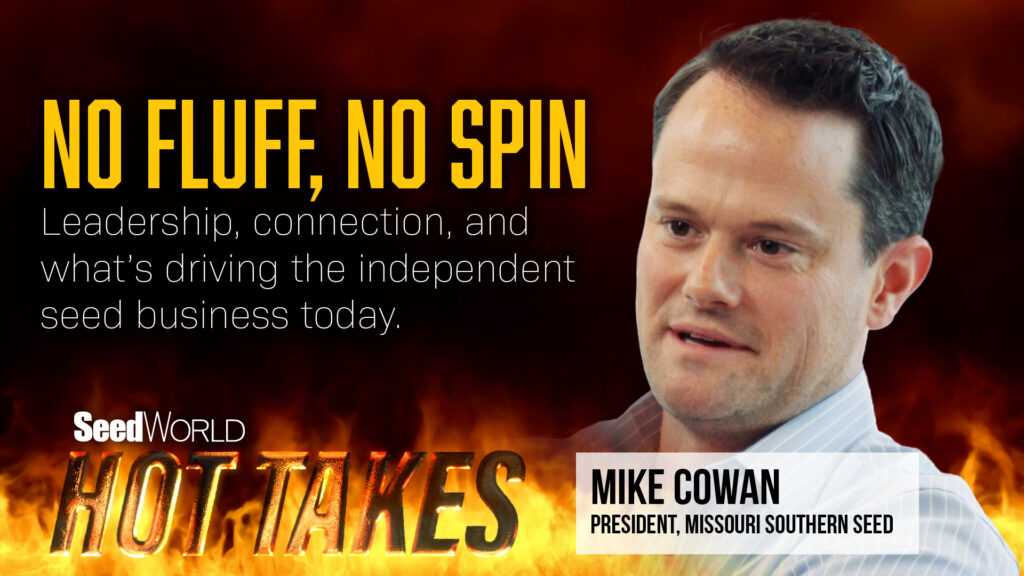
Mike Cowan, Missouri Southern Seed president, just became president of the Western Seed Association board. Cowan, based in Rolla, Missouri, is taking on some hot topics in independent seed. Watch […]
National Seed Health System Marks 25 Years Safeguarding Global Agriculture

As we approach the 25th anniversary of the National Seed Health System – NSHS in 2026, I am reminded daily that healthy seeds are the foundation of healthy plants, resilient […]