The Seed Pathology Committee (COPASEM), the technical body of the Brazilian Association of Seed Technology (ABRATES), is closing 2025 with one of the sector’s most significant scientific contributions: the launch of the digital book Seed Pathology: Basic Science. Considered the most comprehensive and up-to-date publication on the subject ever produced in Brazil, the book was released Dec. 22 and made available free of charge by ABRATES.
The publication comes at a strategic moment, amid growing demands for stricter quality standards and the need to ensure the sustainability of Brazilian agriculture.
An Unprecedented National Reference
Comprising 13 chapters and contributions from more than 50 specialists, the book covers everything from the fundamentals and history of seed pathology to diagnostic methods, pathogen identification, and management strategies. Its goal is to strengthen effective phytosanitary practices and support decision-making across the entire production chain.
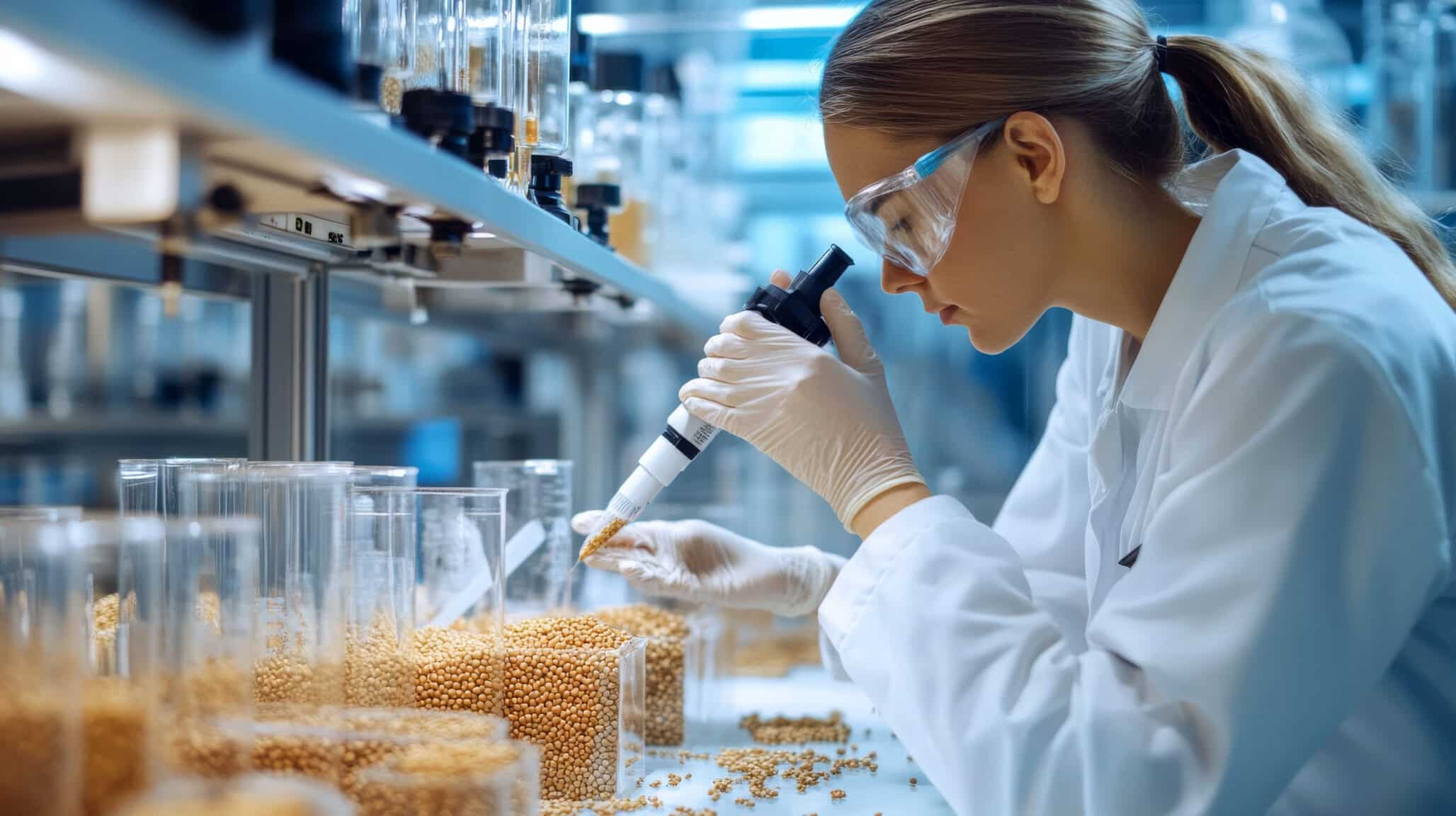
The content addresses topics such as seed–pathogen interactions, sanitary diagnosis, laboratory techniques, disease management in the field and post-harvest, and seed treatment — the final step in ensuring quality and enhancing the productivity and profitability of agricultural systems, according to a press release.
At the time of its development, Copasem was coordinated by Ellen Noly Barrocas and Evelyn Koch. According to the coordinators, the initiative arose from the need to compile and disseminate updated knowledge to support professionals across different segments of agribusiness.
“One of the biggest challenges was to condense the wide volume of knowledge. It was a job made possible by the performance of a highly qualified technical committee and the support of sponsors,” says Noly Barrocas. In all, 29 private companies supported the publication.
She also highlights the relevance of seed health for Brazilian agriculture. “It prevents the spread of pests and diseases, reduces the use of pesticides and production costs, and contributes to cleaner agriculture aligned with food security.”
Advances in Standardization and Scientific Rigor
The current COPASEM coordinator, Norimar D’Ávila Denardin, emphasizes that the book addresses two fundamental areas: the consolidation of scientific knowledge and the standardization of methodologies.
“The publication became a reference by gathering the knowledge of experts, contributing to the training of new professionals and the standardization of health analysis. This provides support for future regulations and raises the rigor of the tests carried out in the country,” he explains.
Despite the existence of standards such as the Ministry of Agriculture’s Seed Sanitary Analysis Manual, D’Ávila Denardin notes that the publication complements and reinforces sanitary quality requirements.
Another key differentiator is the broad accessibility of the content. “The free digital format allows you to reach from large producers to small farmers, expanding the dissemination of science in agribusiness,” he adds.
The president of ABRATES, researcher Fernando Henning, says that the work represents a milestone for the sowing sector. “The book offers updated knowledge, accessible and aligned with the contemporary demands of seed production in Brazil. It is a valuable technical contribution for professionals, researchers, students and laboratories.”
According to him, the free and digital character reinforces Abrates’ commitment to the dissemination of knowledge and the continuous training of professionals. “It is a source of pride to offer a comprehensive, carefully prepared material that responds to the growing demands of quality and safety in the seed sector,” he reiterated.