Extensively researched and tested, when it comes to bird repellents you won’t find a better success story than this.
What starts as a frustrated exclamation of: “there has to be a better way!” often become the kernel of ideal that when nurtured develops into some of the best new innovations. Such is the story for Avipel, a seed treatment product that can help farmers save millions of dollars annually by preventing bird predation.
Scientists at the United States Department of Agriculture (USDA) Wildlife Services’ National Wildlife Research Center (NWRC) have long-standing partnerships with private companies and industry groups to investigate non-lethal bird repellent compounds to reduce damage to crops. One such partnership with Arkion Life Sciences resulted in a new repellent strategy and a suite of non-lethal repellent products that use a naturally-occurring compound called anthraquinone coming to market.
“We have tested hundreds of chemical products over the years,” says NWRC research wildlife biologist Scott Werner. “There is a lot of science behind this product and Arkion has worked in partnership with us to determine the best/lowest dosing and the how to effectively deliver it.”
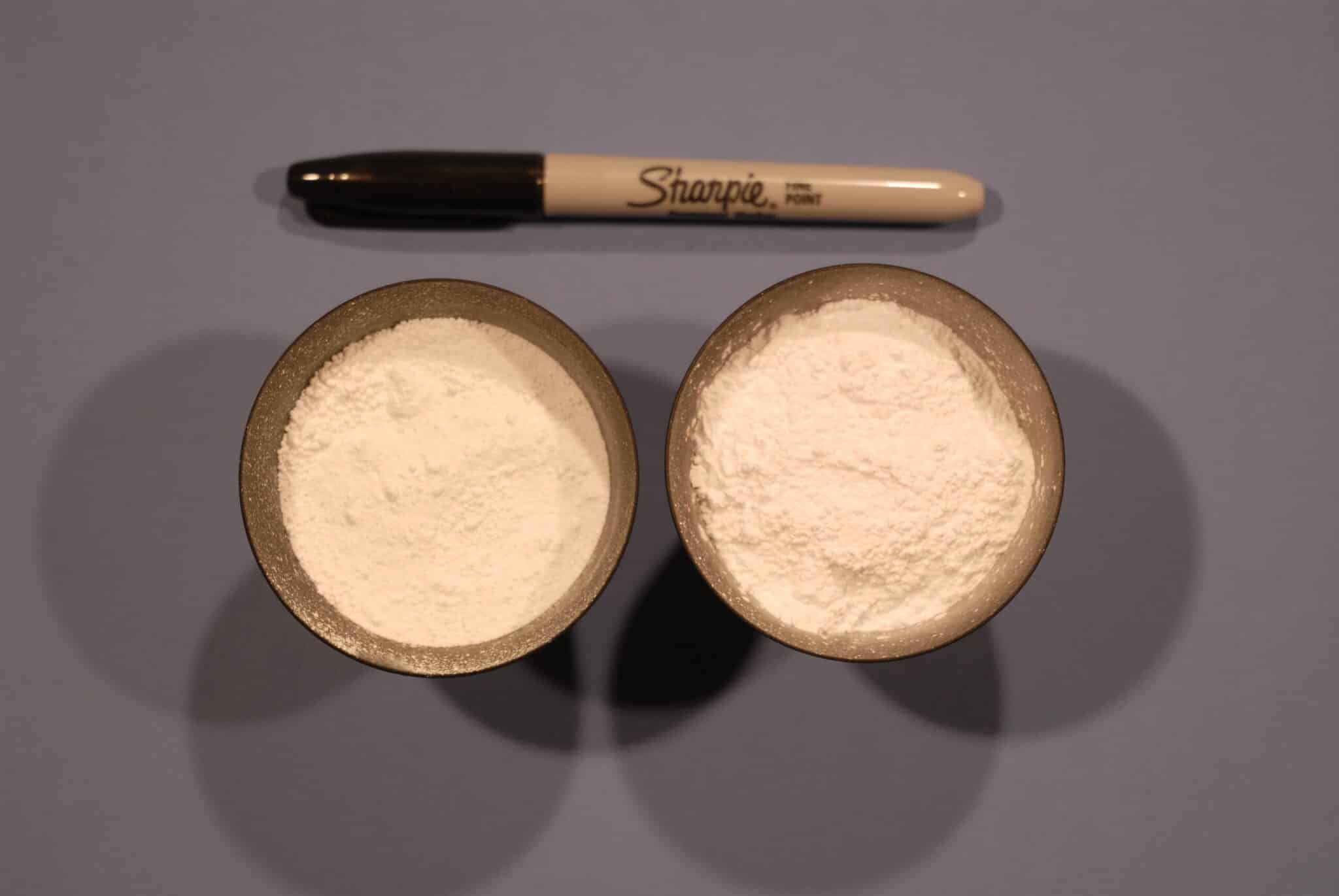
Anthraquinone was first patented as a bird repellent in 1944 to reduce bird damage to agricultural crops. At that time, the primary mode of action was post-ingestive stress but new NWRC-Arkion research has found that Avipel can also cause avoidance behaviors in birds through visual cues related to the compound’s absorption of the ultraviolet (UV) spectrum.
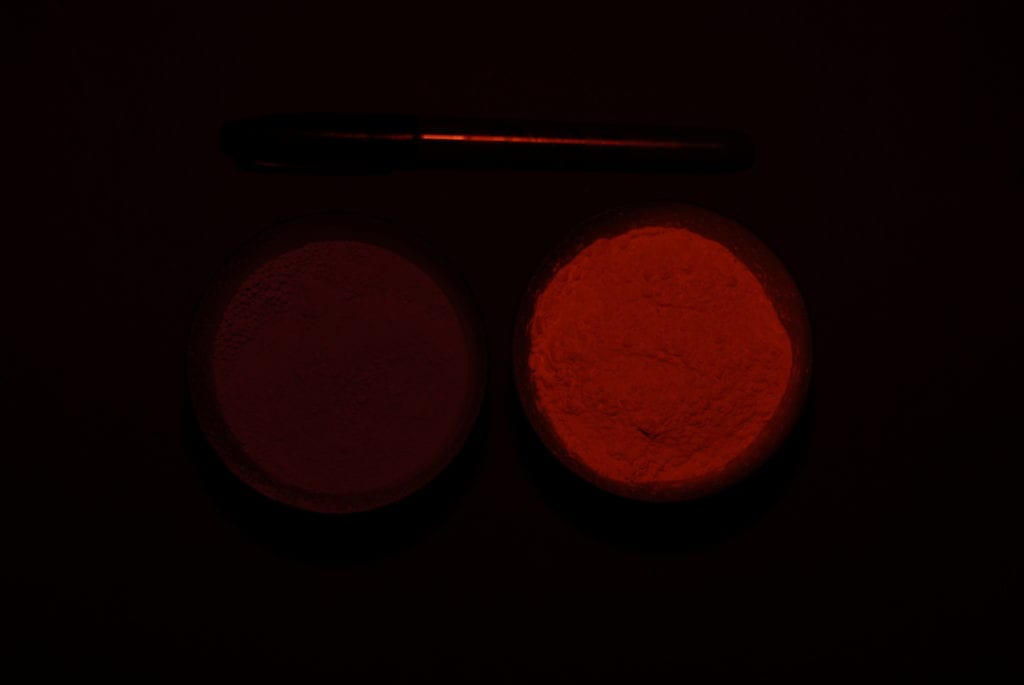
“Birds don’t always like what they see,” states Werner. “Our studies with captive blackbirds have shown that the birds rely on visual cues to avoid foods previously paired with a negative consequence. We’ve been able to take advantage of those visual cues to design repellent products and application strategies that cause pest birds to avoid treated food items.”
“We’ve worked long and hard with our USDA NWRC partners and anthraquinone really is the gold standard for protecting crops,” says Ken Ballinger, VP, business and market development with Arkion Life Sciences. “For the seed industry there is a huge opportunity to protect the potential of the seed by using Avipel seed treatment.”
There are an estimated 52 million blackbirds alone that migrate north into the northern Great Plains of the United States each year. One blackbird can eat 20 seeds per day and migratory flocks often number 1,000 to 2,000 birds who can stay in one place for up to two weeks at a time. For sandhill cranes, a nesting pair can take 800 seeds per day, which is the equivalent of 15 acres of corn seed per season. “Each spring farmers often attribute poor stands to seed quality or environmental conditions, but on closer inspection what they could be dealing with is bird predation,” says Ballinger. “At current prices, you only need about 1.5% to 2 % yield loss to pay for the addition of Avipel to your seed treatment package. It’s a win-win for producers and birds.”
Seeding Success
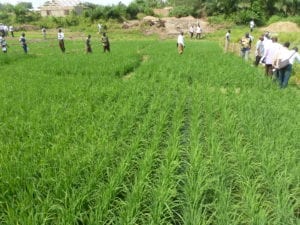
Rice is a major food staple for Ghana. With close to 85 percent of its rice being grown in small, 5- to 7-acre plots bird predation is a costly and labor intensive problem. Initial repellent field trials have allowed grower to double their yields, resulting in a shift subsistence to cash crop farming, and allowing children to go to school rather than scaring birds away from rice fields.
Editor’s note: Arkion Life Sciences LLC recently received the Federal Laboratory Consortium’s (FLC) 2019 Excellence in Technology Transfer Award in conjunction with its Federal government partner for their work on bird and mammal repellents. This award recognizes 24 years of collaborative research and development between the U.S. Department of Agriculture’s National Wildlife Research Center (NWRC)